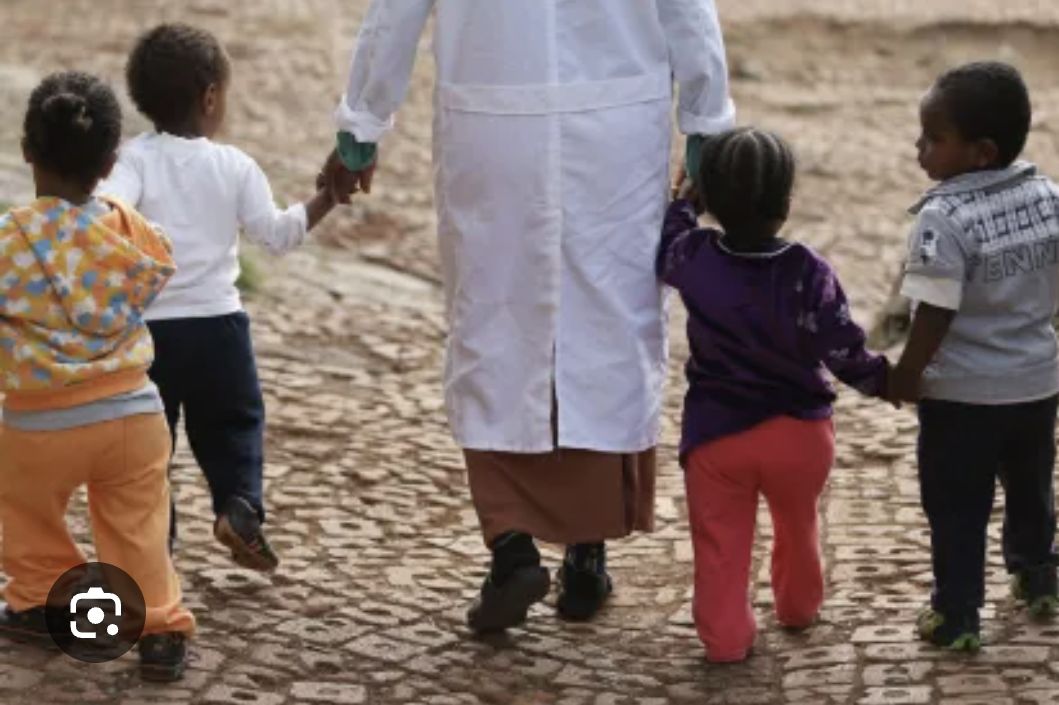
Over the next ten years, Kenya will be gradually closing down children’s homes and Charitable Children Institutions (CCIs), with a complete change to foster care being scheduled for 2032.
This step is an essential aspect of the plan to make sure kids receive their upbringing in family and community environments rather than getting institutional care. The new plan includes the recruiting of foster parents to ensure that children who have been taken away from their families, whether temporarily or permanently, get proper care.
While in Kakamega town, Jane Munuhe, Assistant Director of Children Services, explained that the reform in foster care is dependent on a 10-year national strategy from 2022 to 2032.
The strategy, in her view, is centered around three main things, such as: stopping separation of families, caring for children through family-based programs who already have no families, and finally, going back to biological families if there is a way.
“The target is to avoid the situation where a child grows up without love and support from a family. We are not only rights-based in our approach but also ensure that the family and community systems are reinforced,” stated Munuhe.
With this transition, the government is enlisting the support of international donors, the civil society community, and local populations to help implement the changes, which, according to the experts, will necessitate a public education campaign, monitoring and selection of qualified foster parents, as well as the establishment of a more solid social protection system to help families in distress.