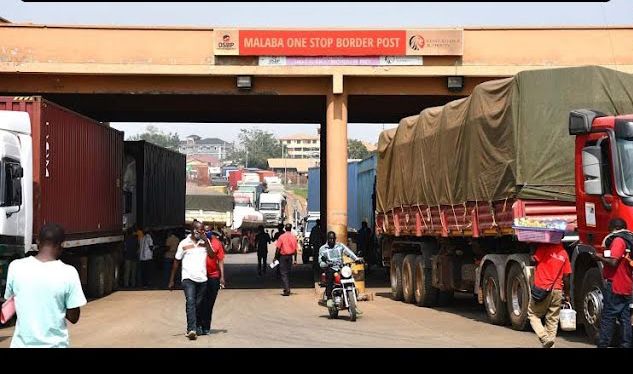
Trade between Kenya and Uganda in the East African Community region is still being affected by congestion at Busia and Malaba border posts. The congestion leads to increased business costs and cargo, making less efficient trips.
These two neighbours have now agreed to tackle the problem together at these two busy crossing areas handling significant trade in the region. Joint hands have been made to appoint a joint task team to survey through the challenges facing the border posts and come up with implementation solutions.
Kenya’s Trade Cabinet Secretary Lee Kinyanjui, who was with his Ugandan counterpart General Wilson Mbasu, when they visited Busia and Malaba One Stop Border Posts (OSBPs), said that due to lack of infrastructure and a shortage of modern scanners, these facilities have not been able to deliver the efficiency that was expected.
OSBP, which had been envisioned to lessen waiting times, cut expenses and generally improve the total efficiency, has found it hard to come up with expected results. The many trucks forced to line up for hours, little clearing facilitation, and slow clearing processes are just some of the few ways in which traders and transporters are getting negatively affected.
“The One Stop Border Posts were planned to make operations smoother but congestion is still very serious without enough infrastructure,” commented Kinyanjui. He called on the two countries to urgently upgrade the existing systems so as to facilitate trade and easy movement of people and goods.
Both ministers have also talked about the great importance of converting the Suam border into a new One Stop Border Post with modern facilities.
The collaboration which is already being implemented on the Kenyan side will open the door to greater cooperation and better understanding between border officers from both countries will save time and make the clearance of goods, vehicles, and people faster and more efficient.
Trade between Kenya and Uganda is a major source of the East African economy. Ministers, therefore, have not only said that the problem prevailing at the borders must be met head-on but that doing so will, in turn, lower costs, make the region more competitive and support regional integration.