The disappearance of activist Mwabili Mwagodi in Tanzania has cast a dark shadow over East Africa’s human rights record—and Kenya’s government stands accused by its own silence.
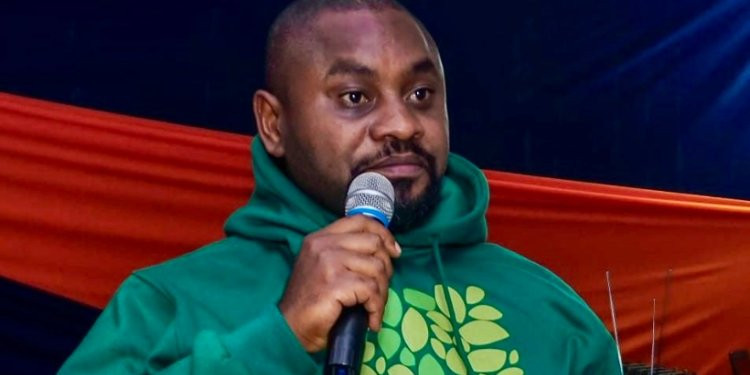
Mwagodi, the fearless voice behind the #OccupyChurch campaign against political fundraising in churches, vanished in Dar es Salaam days ago under circumstances that scream abduction.
Yet, the Kenyan government has not uttered a single word. Not even a token statement of concern.
Why is President William Ruto’s administration mute while one of its citizens is missing on foreign soil? This is not a minor bureaucratic lapse. It is a moral failure and, potentially, a political scandal.
The big question now haunting social media and civil society is this: Could Kenya be complicit?
If that sounds far-fetched, consider the pattern. In May 2025, activist Boniface Mwangi and Ugandan lawyer Agather Atuhaire were detained and tortured in Tanzania before being deported.
Civil society leaders like Martha Karua and former Chief Justice Willy Mutunga have been denied entry into Tanzania. Others, like Hussein Khalid of VOCAL Africa, were deported. This is not an isolated incident—it’s a trend of coordinated repression.
Mwagodi’s last act before disappearing was posting on X, calling top Kenyan security officials and the president “criminals” and urging citizens to report them to the DCI. Hours later, he was gone. Coincidence? Or consequence?
Even more chilling is the timing: his disappearance came the same day Kenya’s DCI unveiled a new WhatsApp crime-reporting platform. That post may have made him a marked man.
If Kenya is outsourcing its dirty work to Tanzanian soil, then we are witnessing the birth of an East African rendition program—where dissenters vanish in the night while governments exchange diplomatic smiles in daylight.
President Samia Suluhu’s silence is predictable; Tanzania has a track record of stifling critics. But Kenya? A country that prides itself on constitutional freedoms? This silence speaks volumes. It suggests complicity or, at the very least, a lack of courage to defend its own citizens.
The hashtag #FreeMwabiliMwagodi is trending, but hashtags cannot substitute justice. Civil society must keep the pressure on. International partners must step in. Nairobi and Dodoma must be forced to answer the uncomfortable questions they are desperately avoiding.
Because if they succeed in normalizing these disappearances, Mwabili will not be the last. Tomorrow, it could be any activist. Any journalist. Anyone who dares to dissent.
And when the state becomes a predator, silence is not neutrality. Silence is betrayal.