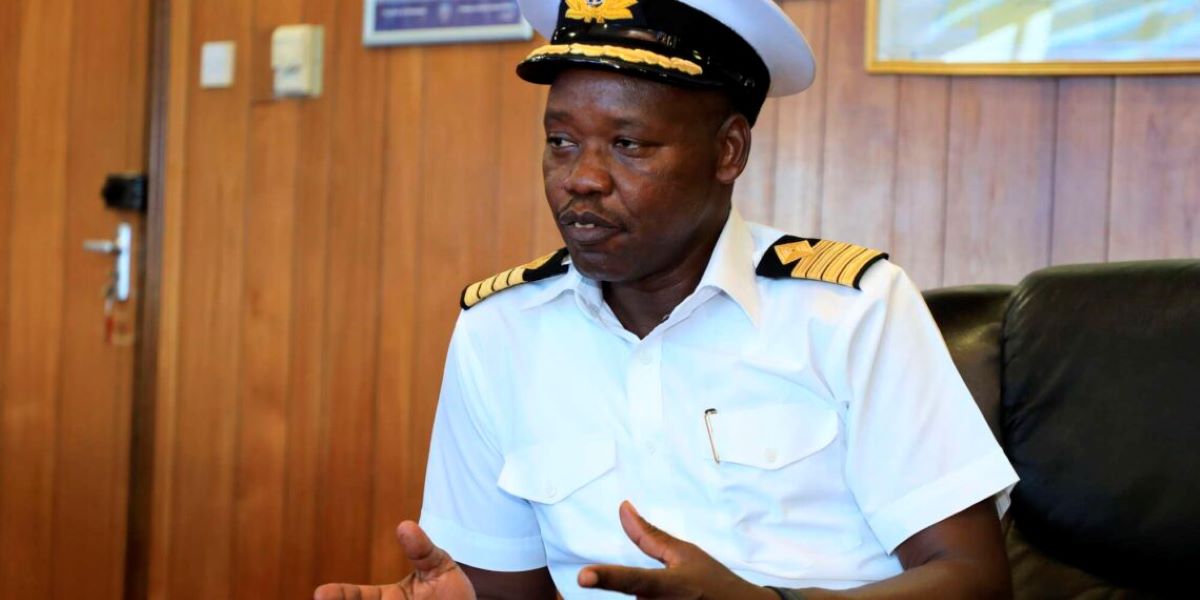
The Managing Director of the Kenya Ports Authority (KPA), Capt. William Ruto, addressed the Senate Committee on Roads, Transportation, and Housing, affirming that the suspension of KPA’s ledger accounts was implemented in strict adherence to a government directive aimed at managing rising debts.
Capt. Ruto explained that the suspension was part of the government’s efforts to streamline port services and ensure all transactions are processed through the e-Citizen gateway platform.
“KPA is fully owned by the government, and according to Gazette Notice No. 16008 of 2022, all port service requests and payment of charges must be made through the e-Citizen gateway platform, effective 1st July 2023,” Capt. Ruto stated.

He said that to facilitate this transition, KPA has partnered with several major banks, including Stanbic Bank, National Bank, Kenya Commercial Bank, Equity Bank, and Citi Bank, to enable real-time payment services for port users.
This partnership aims to enhance transaction efficiency and ease of access for users.
Read also:Opinion: Why DP Gachagua’s Political Rhetoric is a Self-Inflicted Battle
Capt. Ruto also announced the impending launch of a pre-arrival cargo clearance system, designed to expedite the clearance process.

The new system will allow for the electronic submission of customs entry and other necessary documents to relevant government agencies before goods arrive, thus reducing delays and improving efficiency.
In response to concerns about potential financial irregularities, Capt. Ruto assured the committee that no public funds were lost during the ledger account suspension.
“Our systems are robust, and we have implemented measures to ensure the integrity of our financial processes,” he emphasized.
Regarding ferry operations, Capt. Ruto provided an update on the KPA’s fleet.
The authority currently operates four ferries—MV Safaris, MV Jambo, MV Likoni, and MV Kwale—at the Likoni Channel, with MV Nyayo and MV Harambee undergoing maintenance.
He highlighted that ferry inspections are carried out annually by the Kenya Maritime Authority, and any defects are addressed before a certificate of seaworthiness is issued.
The Senate committee members decided to visit the Kenya Ports Authority facilities before finalizing their report on the matter.
This visit will provide them with a firsthand understanding of the current operations and the impact of the recent changes.