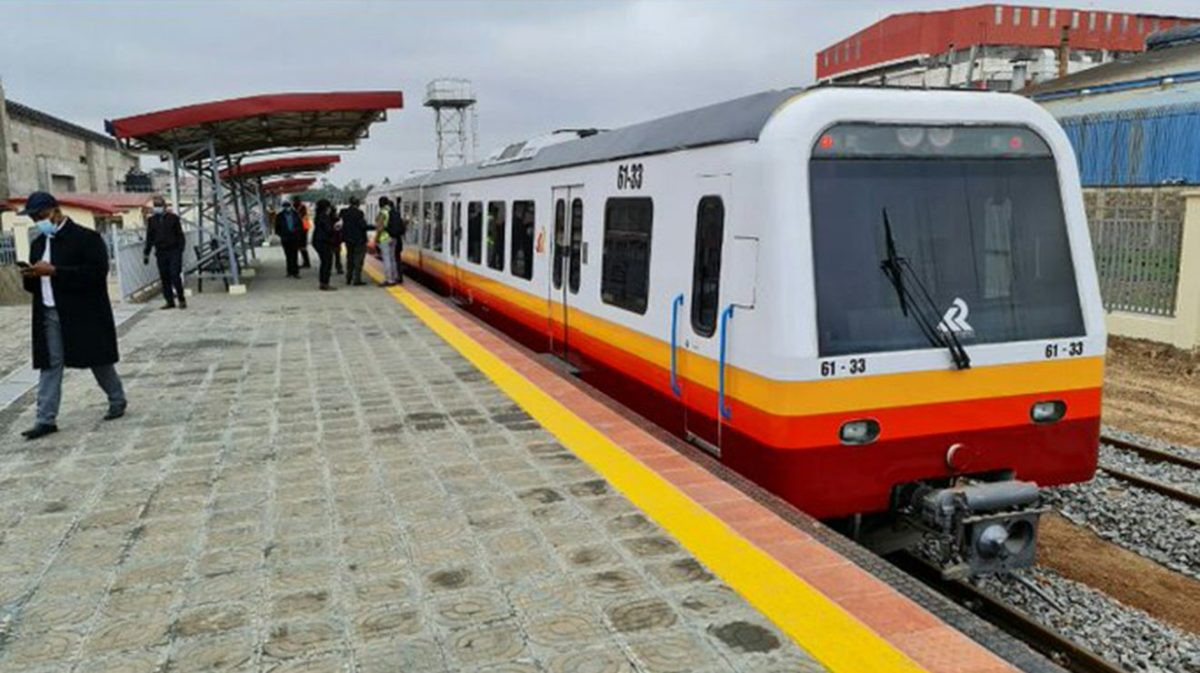
The World Bank is on the verge of injecting around $500 million, which is approximately Ksh 65 billion, to upgrade the 58-kilometer route of the Nairobi-Thika commuter rail, which has been used by thousands on a daily basis.
This is part of the strategies set to help reduce the congestion in the city of Nairobi by transforming the old rail line into a modern and efficient urban transport system. According to the World Bank, the upgrade will also help sharpen the level of planning and management of the urban transport system in the city of Nairobi.
“Our goal is to transform Kenya’s commuter rail into a modern urban transport system while improving how the sector is managed and supporting development around the rail corridors,” the World Bank said.
The planning phase has since commenced, with the World Bank set to approve the upgrade plans by the 10th of December, 2026. According to the World Bank, the implementing agencies will include the Kenya Railways and the Ministry of Transport.
Engineers have since proposed the feasibility studies, followed by the preliminary designs, which will set the ball rolling towards the electrification of the system. In addition, proposals have also been made to transform the system into a metro system, upgrade the track, and also develop new stations along the route in Ruiru and Juja, which is part of the route connecting Nairobi and Thika.
New trains are in the offing, starting with the Diesel Electric Multiple Units to increase their reliability in preparation for the arrival of the new electric trains in the near future in compliance with the national electrification plan in the country.
The upgrading will also see the safety of the stations improved, as well as the ease of use by the commuters, including the provision of lighting, drainage, walkways, and pedestrian ways. In addition, the new system will integrate the fare systems of the trains, buses, and other transport modes of transport in the country.
The upgrading will cover approximately seven stations and their environments, including the improvement of the housing, business, road, cycling, and lighting facilities within 500 meters to one kilometer radius of the stations to ease the accessibility to the rail transport without the use of cars or motorbikes.
The World Bank will also support the policy to support the long-term investment in urban transport, including exploring ways to use Kenya’s Railway Development Levy to sustain commuter rail and public transport systems.
The initiative will also guide planning for improved urban transport in other major cities like Mombasa, Kisumu, Nakuru, and Eldoret, as Kenya prepares for growing populations and increased travel demand.
The Ksh 65 billion loan is part of a bigger project estimated at $1.7 billion (around Ksh 219 billion), which Kenya plans to repay by January 31, 2033.