The United States has stepped up to assist Kenya in its continued efforts to respond to HIV, with a new focus on increased testing and getting people diagnosed and treated earlier.
On Tuesday morning, the US Embassy in Nairobi announced that the US Centers for Disease Control and Prevention (CDC), through the President’s Emergency Plan for AIDS Relief (PEPFAR), is partnering with the Ministry of Health to expand more robust prevention and treatment activities across the country.
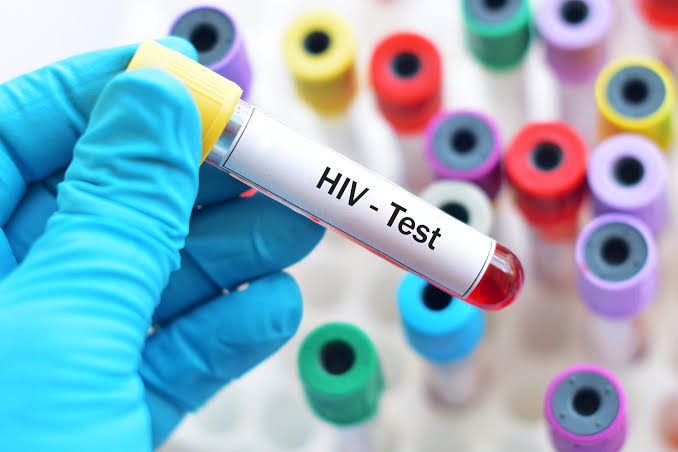
The move is an efforts that seek to boost HIV testing in Kenya, especially for children and vulnerable adults who are likely to face delays when accessing care.
“We’re increasing access to testing and early diagnosis in Kenya to make sure those who need treatment can get it without delay,” the embassy said in a statement.
With support from the Kenya Medical Research Institute (KEMRI), the plan includes decentralizing testing services so that counties can handle more of their own diagnostics, instead of relying on the limited number of advanced labs currently available.
At the moment, Kenya has just seven laboratories capable of carrying out complex HIV tests. The US government hopes to change that by helping to set up better-equipped facilities and supplying modern testing machines from American tech firms.
The goal is not just more HIV testing, but faster results, particularly for babies born to HIV-positive mothers and for communities in hard-to-reach areas.
“Kenya has one of the largest HIV epidemics in the world. Getting people tested early and starting them on treatment quickly can make all the difference,” said a CDC official familiar with the project.
According to data from the National Syndemic Disease Control Council, by October 2024, about 1.378 million people in Kenya were living with HIV. Almost all about 97% are now receiving treatment.
Under this partnership, the CDC is also helping to train health workers in safe blood drawing, improve the transportation of samples, and verify test results.
Every year, the agency supports over 11 million HIV tests, 1.2 million viral load tests, and 120,000 early infant diagnosis (EID) tests in Kenya.
It also assists in running 900,000 TB tests, given the close link between TB and HIV.
This isn’t just about technology it’s also about people. By building local skills and improving county-level services, the program hopes to bring HIV testing in Kenya closer to where people live.