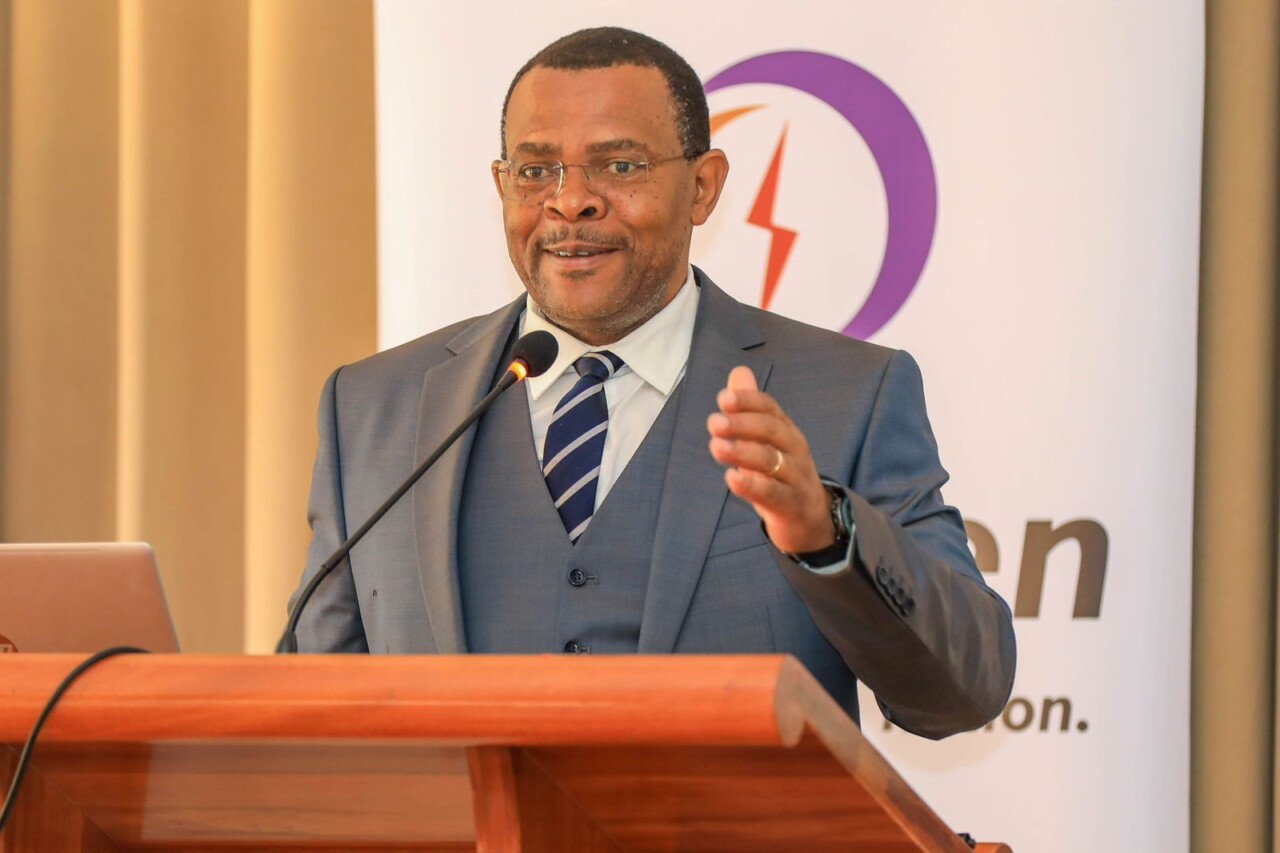
Kenya’s largest hydroelectric reservoir, Masinga Dam, has defied mounting climate pressures to maintain stable water levels this week, offering relief to cushion Kenyans from unpredictable rainfall patterns.
The high levels of water are a welcome development at a time when climate change continues to affect Hydroelectric Power (HEP) production putting energy planners under growing pressure to diversify the country’s power sources.
Fresh data from the NSE-listed Kenya Electricity Generating Company (KenGen) shows Masinga holding at 1,056.97 meters above sea level (m.a.s.l.), surpassing the maximum level of 1,056.50. This is a big boost to Kenya’s electricity grid, as Masinga dam anchors the Seven Forks cascadewhich is a system of five interlinked hydro stations that collectively powers a significant share of the nation’s economy.
At the same time, the broader hydro network remains under tight watch. KenGen said itsKamburu, Gitaru, Kindaruma, Kiambere, Turkwel, Sondu, and Sang’oro power stations continue to hold strong operating at maximum water levels.
Hydroelectricity is Kenya’s cheapest and most established source of power, but it is also the most vulnerable to shifting rainfall patterns. With droughts in recent years cutting deep into production, the country’s reliance on water-fed dams is being re-evaluated.“This kind of stability at Masinga and the other hydro power stations is welcome, but it is no longer something we can take for granted,” said Eng. Peter Njenga, KenGen’s Managing Director and CEO. “We are operating in a new reality, and that’s why we are investing heavily in geothermal to shield Kenyans from the vagaries of rain-fed power production.”
Geothermal energy, tapped from deep beneath Kenya’s volcanically active Rift Valley, todayaccounts for more than 42 percent of the country’s daily power consumption. Unlike hydropower, it is impervious to weather, giving it a critical edge in times of drought. For planners, it has become the cornerstone of Kenya’s long-term energy resilience strategy.
According to latest data from the Energy and Petroleum Regulatory Authority, geothermal accounts for more than 42 percent of Kenya’s daily energy consumption with KenGen contributing over 33 percent from its geothermal power plants in Olkaria.
In a proactive move to make Kenya energy secure, the government is currently fast-tracking geothermal expansion projects in Olkaria, Menengai, and other geothermal-active sites with an eye on both domestic stability and regional exports under the Eastern Africa Power Pool.
At the same time, KenGen says it has rolled out new real-time monitoring systems across its dams to ensure efficient water use and early warning for potential risks.