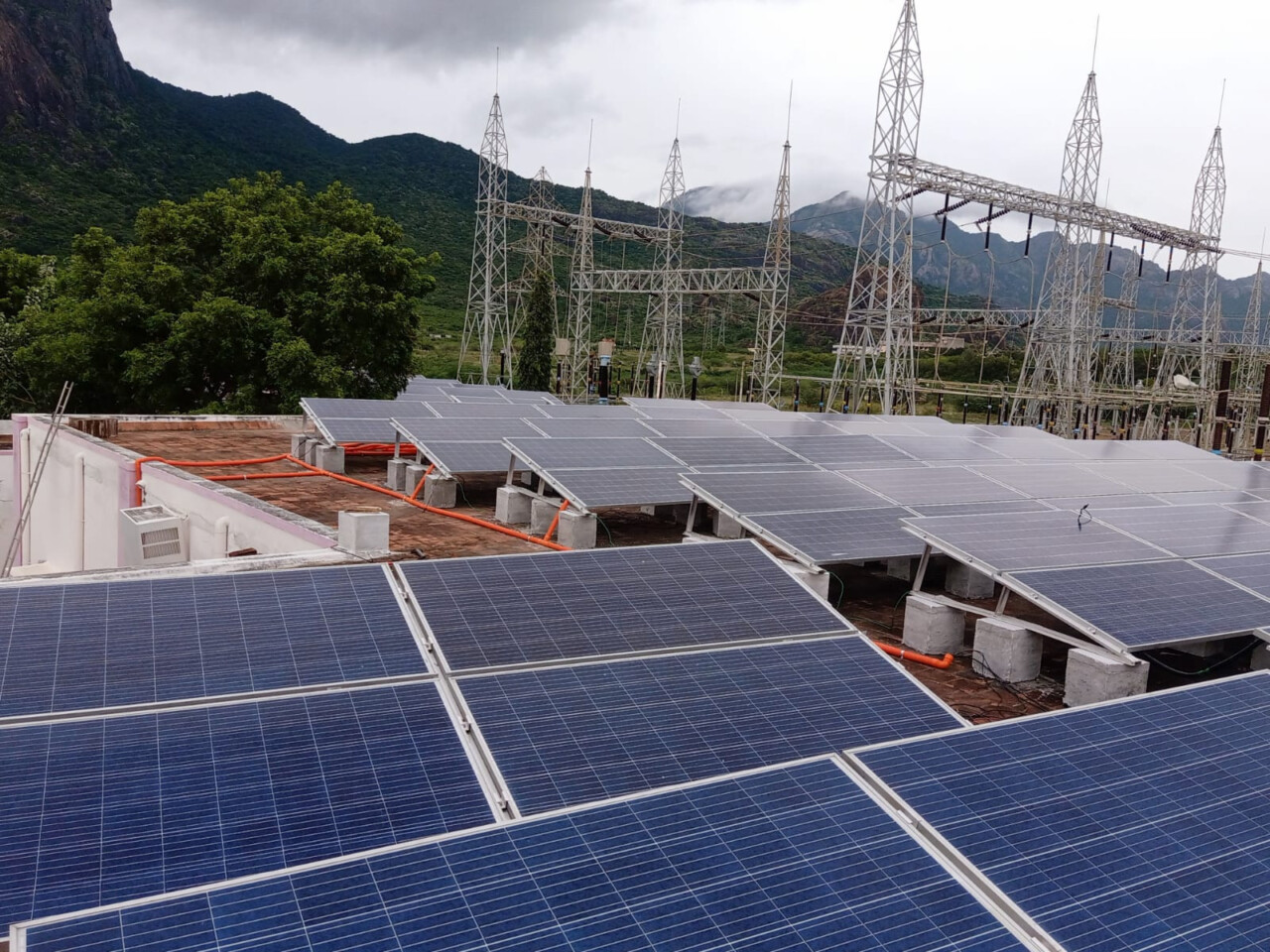
Solar power is emerging as a go-to solution for communities living in both urban and upcountry. This form of energy is fast gaining currency in Kenya as the cost and reliability of power becomes a major issue.
With Kenya targeting 100 percent clean energy by 2030, players in the industry say that the government should offer more incentives to the industry to fast-track Kenya’s electrification agenda.
The ongoing Solar Kenya 2025 exhibitions at the Kenyatta International Convention Centre enters day 2, delegates are calling for more incentives to accelerate transition to clean and decentralized energy.
Solar power is contributing about 12 percent to Kenya’s electricity mix, it remains the fastest-growing renewable energy source, with annual growth projected at 28 percent through 2027.
The industry has been boosted by the Energy (Solar Photovoltaic Systems) Regulations that came into force in 2012. Since then, the sector has expanded significantly, with the energy and petroleum regulation authority reporting that close to two million people rely on solar energy for their energy needs.
The growing solar power technology and cost of solar kits are also helping drive the uptake of this technology. More than 150 exhibitors from 25 countries are at KICC, showcasing the latest innovations in solar and clean energy at the Power & Energy Kenya exhibition.
The expo brings together industry leaders, investors and policymakers for panel discussions and product demonstrations aimed at advancing Africa’s clean energy transition.
From smart inverters and solar kits to mini-grid solutions, the exhibition presents practical tools to improve energy access.
As Kenya works toward universal electrification by 2030, solar power technology is expected to continue playing a major role in this endeavour.