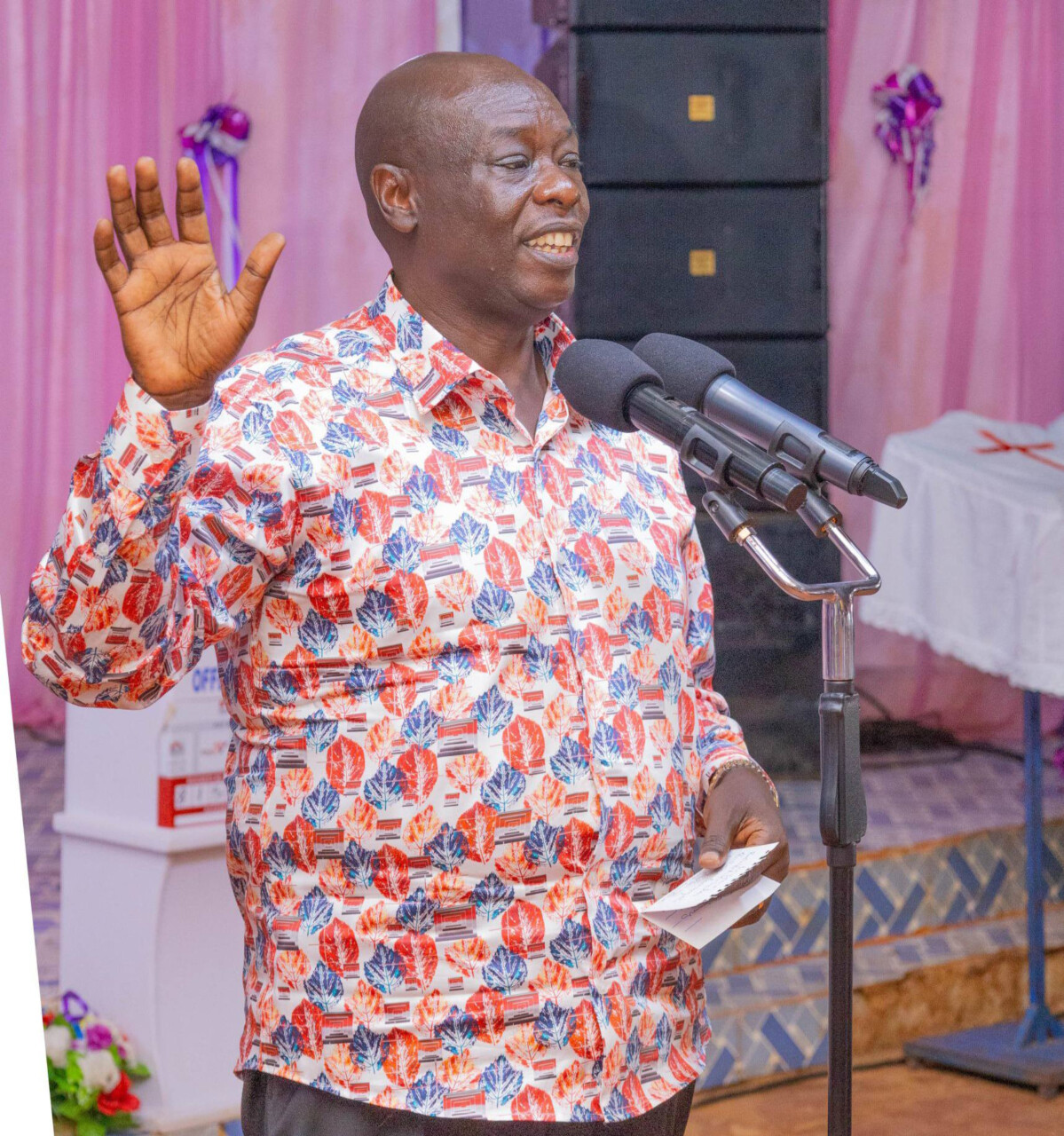
Former Deputy President Rigathi Gachagua’s resurgence in the political arena, centered around his Wamunyoro residence, marks a strategic shift in Mt. Kenya’s political landscape.
Once an outpost of his private life, Wamunyoro has transformed into a hub of high-stakes political maneuvering, setting the stage for a potential power showdown in the 2027 general election.
Since his impeachment and subsequent removal from office, Gachagua has turned his rural residence into a nerve center for political strategizing.
His approach closely mirrors that of President William Ruto in the lead-up to the 2022 election, when Ruto’s Karen residence became a launchpad for his successful bid for the presidency.

Analysts suggest that Gachagua’s choice of Wamunyoro is not merely symbolic but a tactical move to evade state surveillance and maintain autonomy over his political operations.
His decision to consolidate power from a rural base rather than the capital indicates a strategy designed to control his messaging, rally grassroots support, and avoid infiltration by political adversaries.
Political analyst Alexander Nyamboga asserts that Gachagua’s goal is less about personal victory and more about ensuring Ruto’s political downfall in 2027.
Gachagua’s meetings, primarily with Mt. Kenya leaders, reveal his intent to reestablish dominance over the region’s political direction.
The region, historically a kingmaker in national politics, played a critical role in Ruto’s victory in 2022. However, emerging rifts indicate dissatisfaction among local leaders who feel shortchanged by the Kenya Kwanza administration.
His gatherings have included MPs, senators, and aspirants, many of whom are positioning themselves for electoral battles against pro-Ruto incumbents in 2027.

Notably, vocal Githunguri MP Gathoni Wamuchomba has set her sights on unseating Kiambu Governor Kimani Wamatangi, while Murang’a Senator Joe Nyutu plans to challenge Governor Irungu Kang’ata. These moves suggest an orchestrated effort to dismantle Ruto’s influence in the region.
One of the most significant developments is Gachagua’s reported acquisition of an existing political party with Mt. Kenya roots. The move signals a potential shift away from the United Democratic Alliance (UDA) and the formation of an independent political identity for the region.
Embakasi North MP James Gakuya has hinted that the unveiling of this party is imminent, with a political nerve center set to be established in Nairobi.
Beyond Mt. Kenya, Gachagua is also expanding his reach, as evidenced by his meeting with former Machakos Town MP Victor Munyaka and a delegation of Kajiado West elders.

This expansion suggests a broader national strategy that could see him align with other opposition figures.
A possible alliance with Wiper leader Kalonzo Musyoka has also been floated, particularly given that Kalonzo’s allies in Parliament opposed Gachagua’s impeachment.
If realized, such a coalition could significantly alter the dynamics of the 2027 race, especially if Gachagua consolidates Mt. Kenya’s support and Kalonzo maintains his hold on the Ukambani bloc.
Gachagua’s resurgence poses a formidable challenge to Ruto’s re-election bid. His ability to galvanize discontented leaders, especially those sidelined within Kenya Kwanza, could create a powerful opposition force.
Additionally, his emphasis on Mt. Kenya’s historical disdain for betrayal hints at a campaign narrative centered on broken promises and regional loyalty.
However, his path remains uncertain. Legal hurdles following his impeachment may complicate his 2027 ambitions, and the success of his strategy will depend on his ability to sustain political momentum over the next two years.
Nonetheless, the transformation of Wamunyoro into a political epicenter signals that Gachagua is far from politically finished.
Whether he runs for the presidency or backs another candidate, his moves will undoubtedly shape the battle for Mt. Kenya’s political supremacy and influence the national contest in 2027.