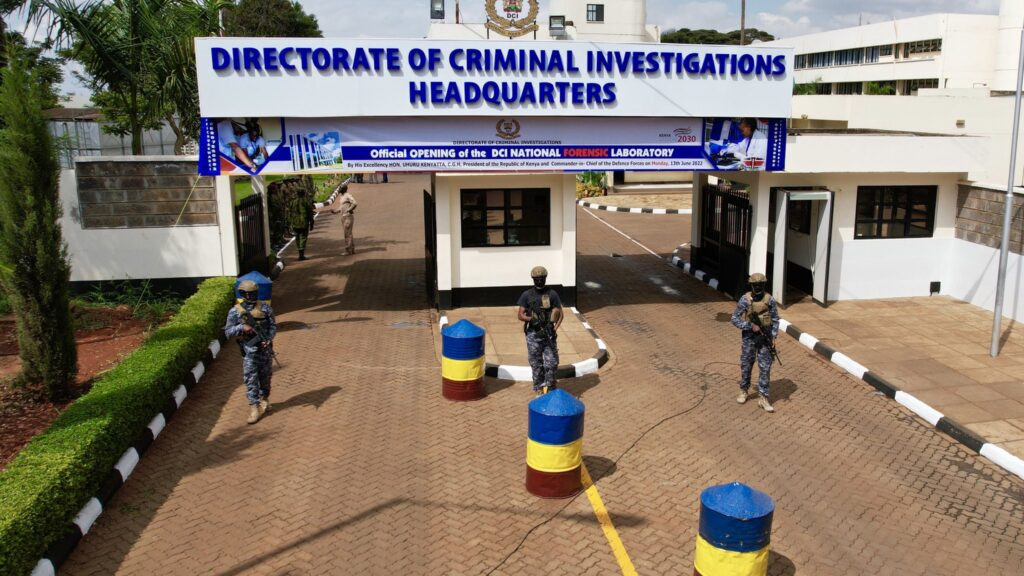
Bhang estimated at more than KSh11 million has been seized by detectives from the Directorate of Criminal Investigations in two anti-narcotic raids conducted in Nakuru County.
In this case, the Anti-Narcotic Unit (ANU officers, in conjunction with the DCI dog unit, intercepted a vehicle that was suspected of conveying illicit drugs along the Kabarak-Nakuru Road. During this operation, the police arrested a co-driver, but the driver escaped.
A search of the vehicle resulted in the recovery of 12 green sacks and 12 bales of bhang weighing an estimated 387 kilograms. Law enforcers reported that the seized contrabands have been placed as exhibits, and the suspect is in custody pending arraignment.
In another raid in the same county, detectives intercepted a Toyota Fielder at Kamwosor in the Keiyo South Constituency following intelligence reports of transporting drugs. Police retrieved seven packets of bhang and arrested the motorist.
The suspect is in police custody at Metkei police station waiting for court appearance. The estimated value for the combined value of the drugs used in the two crackdowns was put at around KSh11.61 million.
The recent arrests are a continuation of a countrywide dragnet launched against drug trafficking and abuse. The recent arrest took place in Nakuru County where a 42-year-old suspect was arrested and heroin estimated at a retail value of KSh1.19 million, cached in suitcases on a motorcycle, was seized.
The government has escalated its efforts in combating drug mafias in the country. Early in the year, President William Ruto announced his plan to increase the size of the DCI’s Anti-Narcotics Unit from its current 200 officers to almost 700 officers. The officers will be trained in a similar way to those in the Anti-Terrorism Police Unit. The training will involve advanced investigations.
The Ministry of Interior also disclosed that some big drug dealers operating under the guise of legitimate business organizations have been identified by the relevant authorities and that enforcement agencies have now shifted their focus from making arrests to disrupting funding associated with the activities of such organizations.
To facilitate this, the Judiciary has established special courts at major entry points like airports, seaports, and border posts for fast tracking drug-related cases. The operations are part of the new drive by the government to address drug trafficking and abuse, which President Ruto continues to express is a threat to the country, most specifically to its youth.