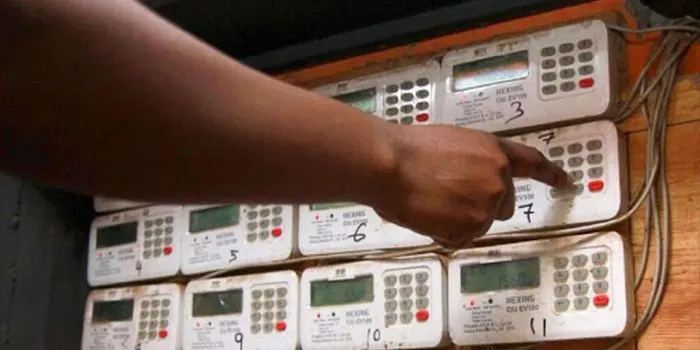
Electricity consumers in Kenya will pay an additional KSh4.56 for every unit of power consumed in November following new adjustments announced by the Energy and Petroleum Regulatory Authority (EPRA).
The regulator published three separate charges in a Gazette Notice dated Friday, November 20, which will apply to electricity meter readings taken during the month.
The highest of the three is the Fuel Energy Cost Charge, set at KSh3.54 per kilowatt-hour (kWh). Consumers will also pay KSh1.0031 per unit under the Foreign Exchange Fluctuation Adjustment, while the Water Resource Management Authority (WRMA) levy stands at KSh0.013606 per unit.
Together, the charges add up to KSh4.5567 for every unit of electricity consumed.
The fuel charge is meant to recover the cost of fuel used to generate electricity, particularly at thermal power stations that rely on diesel. EPRA considers the cost of fuel used by power producers when setting the monthly adjustment.
The regulator also explained that the foreign exchange adjustment covers gains and losses arising from changes in the value of the Kenyan shilling against other currencies. These fluctuations affect electricity companies, including Kenya Power, KenGen and independent power producers.
It was noted in EPRA’s notice released in November that the three types of electricity sector participants have gained a total of KSh1.16 billion as a result of foreign exchange in October 2026.
The third change is the WRMA levy, which is charged to consumers purchasing electricity from eligible hydroelectric generating stations with the capacity of production being at least one megawatt.
EPRA estimated that 314.19 million units of electricity were consumed from the eligible hydroelectric power stations in October, which is the data used to charge the levy for November.
The recent hike follows an increase in the cost of electricity charged to consumers in October when EPRA charged an extra KSh4.10 per unit.
In addition, the price of electricity had increased by KSh4.16 and KSh4.70 per unit in September and August, respectively, further stressing the consumers that already suffer from the high cost of living.
With the November changes, consumers will have to pay extra charges in addition to their regular electricity tariff based on the number of units used.