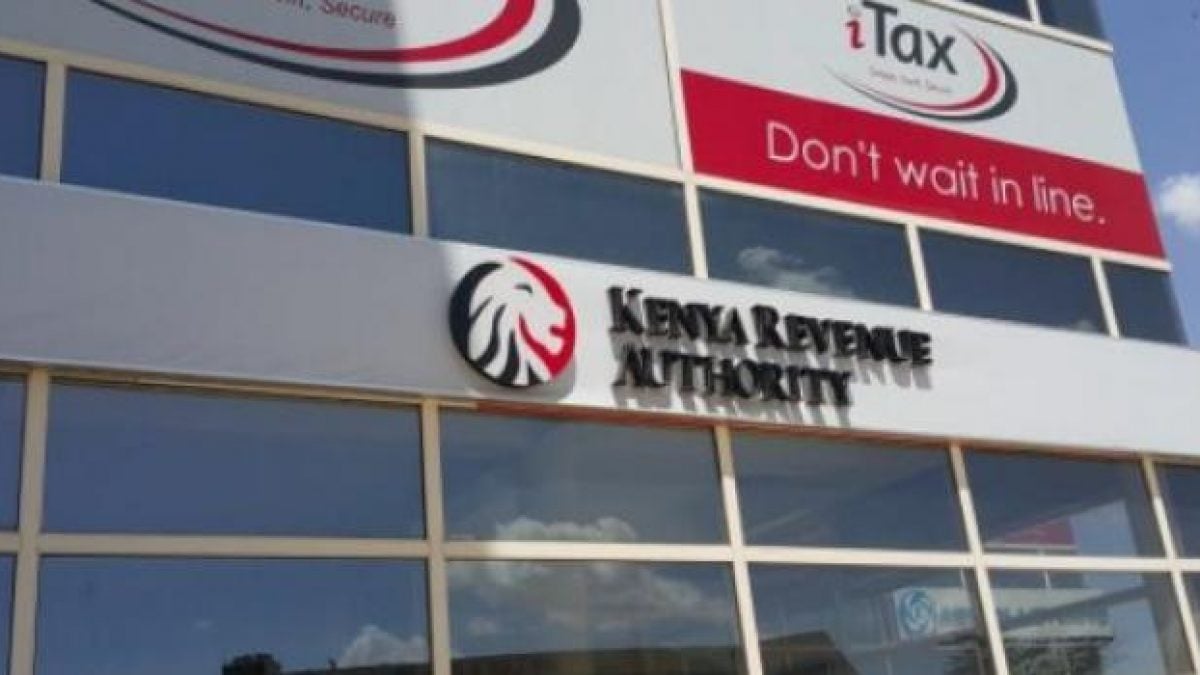
The Kenya Revenue Authority (KRA) is targeting more than one million landlords suspected of collecting rental income without declaring it for tax, as it steps up the use of digital systems to identify property owners who are not complying with tax requirements.
The authority told the Departmental Committee on Finance and National Planning on Wednesday, October 28, that it had identified the property owners through a digital system that compares property records with rental income declarations.
KRA plans to use the Electronic Rental Income Tax System (eRITS), launched in April 2025, to identify landlords who have not been declaring their rental earnings.
The system aims at integrating with the eCitizen portal, and the integration will facilitate linking the property details to the tenant details, rental details, and location details. KRA claims that through this integration, it will be in a better position to determine discrepancies in the rental income earned and reported for taxation.
This system will also assist in carrying out follow-ups with the landlords and monitoring Revenue Service Assistants, who give assistance on-the-ground.
The Working Mechanism of Rental Income Tax
The rental income tax structure, which is captured in this system, applies to residents earning between KSh288,000 and KSh15 million from their rental income per year.
From the available information, the tax rate is 7.5 per cent of the gross rental income. This tax became effective in January 2024.
Landlords using the system are required to declare their gross rental earnings, after which the platform calculates the tax due. Expenses and losses are not deducted under this regime.
Rental income tax returns must be filed monthly, with payment due by the 20th day of the following month.
KRA expects the digital system to help it identify landlords who are not meeting their tax obligations and improve collection from the rental property sector.
KRA Faces Revenue Target
The tax authority estimates that illicit trade, counterfeiting and tax evasion cost the government about KSh153 billion in revenue annually. Rental income tax losses account for about 65 per cent of the estimated amount, according to the information provided.
The crackdown comes as the National Treasury has set KRA an ordinary tax revenue target of KSh2.98 trillion for the 2026/2027 financial year.
The government expects to collect total revenue of KSh3.63 trillion during the same period.