Kenya is among the countries facing increased rainfall risks as the World Meteorological Organization (WMO) warns that a powerful El Niño weather event could reach its peak in December 2026.
In a statement released on Wednesday, October 21, WMO Secretary-General Celeste Saulo said the phenomenon could become unprecedented in strength, disrupting weather patterns across the world.
The agency forecasts that sea surface temperatures in the tropical Pacific Ocean could rise to 3.8 degrees Celsius above average between November 2026 and January 2027.
Saulo warned that the effects would continue long after the expected peak, raising concerns over flooding, drought, extreme heat and damage to livelihoods in different regions.
“A very strong El Niño disrupts normal temperature and rainfall patterns across many regions,” she said, noting that some areas could experience severe drought while others face heavy rainfall and flooding.
The warning comes as Kenya experiences its October to December short rains season, with meteorologists predicting above-average rainfall across much of the country.
The Kenya Meteorological Department’s seasonal outlook, released in August, projected enhanced rainfall in several counties, raising concerns about possible flooding and disruption to daily activities.
In an earlier regional outlook published on August 19, WMO said wetter-than-normal conditions were more likely across parts of the Greater Horn of Africa during the final quarter of 2026.
The forecast identified parts of central Kenya and the Lake Victoria Basin among areas with an increased likelihood of receiving heavy rainfall.
However, meteorologists have cautioned that a strong El Niño does not automatically translate into extreme rainfall in every location. Local conditions and other climate patterns also influence how much rain a particular area receives.
The expected weather conditions could affect farmers, particularly those growing crops during the short rains season.
While adequate rainfall could improve crop production, pasture and water availability, excessive rain could damage crops, cause soil erosion and disrupt farming activities.
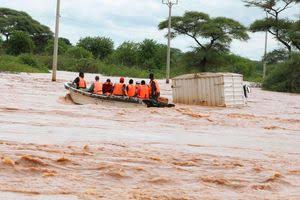
Flooding could also damage roads, homes and other infrastructure, while increasing the risk of waterborne diseases in affected communities.
Residents living in flood-prone areas, informal settlements and locations near rivers may face additional risks if heavy rainfall overwhelms drainage systems.
The effects could extend to transport, health services and access to essential supplies if roads and other infrastructure are disrupted.
Saulo urged governments and humanitarian agencies to use available forecasts to prepare for possible emergencies and protect vulnerable communities.
She said early warning systems and timely action could help reduce the human cost of extreme weather.
“The forecasts give us advance warning. And we must use that warning to protect those most at risk,” she said.
The WMO stressed that its seasonal outlooks indicate broad climate trends rather than predicting individual weather events. National meteorological agencies therefore remain essential in identifying areas likely to be affected and issuing specific advisories.
Kenyan residents have been encouraged to follow official weather updates as the short rains season progresses, particularly in areas vulnerable to flooding and landslides.