Several government infrastructure projects could face changes in their approval process after the High Court declared key sections of the Public-Private Partnerships (PPP) Act unconstitutional.
The court on Thursday, September 17, ruled that Parliament must have oversight over PPP arrangements that create financial obligations for the government and, ultimately, taxpayers.
However, the ruling will not immediately affect ongoing projects.
The High Court gave Parliament six months to amend the law before the declaration takes effect, giving lawmakers time to address the provisions found to be unconstitutional.
The case centred on Sections 59, 60 and 72 of the PPP Act, which were challenged over the approval of major projects without adequate parliamentary oversight.
The petition was linked to privately initiated proposals involving Jomo Kenyatta International Airport (JKIA) and the Kenya Electricity Transmission Company (KETRACO).
The government had argued that the cancellation of the projects had brought the dispute to an end.
However, the court disagreed, finding that the constitutional questions surrounding the approval of PPP projects remained relevant even after the projects were cancelled.
The court held that the government cannot use the PPP framework to avoid parliamentary oversight where a project creates financial obligations for the public.
These obligations may arise where the government is required to make payments to private investors, provide guarantees, commit public funds, borrow money or take on debts and other liabilities.
At the same time, the court clarified that parliamentary approval is not required for every PPP project.
The key issue, according to the ruling, is whether the particular arrangement creates a financial obligation for Kenyans.
Parliament now has six months to review and amend the affected provisions before the declaration takes effect.
The ruling comes as the government continues to rely on PPPs to finance and develop major infrastructure projects across the country.
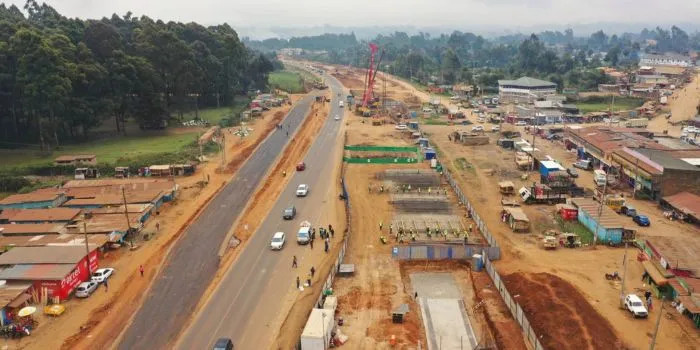
Among the projects being pursued through the PPP framework is the expansion of the Rironi-Mau Summit highway.
Other major projects include the planned Mau Summit-Malaba highway, the supply of smart driving licences, Kenya Defence Forces residential accommodation, the Londiani Dam water project and the Galana Kulalu Food Security Project.
The ruling could therefore lead to changes in how future PPP projects involving government financial commitments are approved.