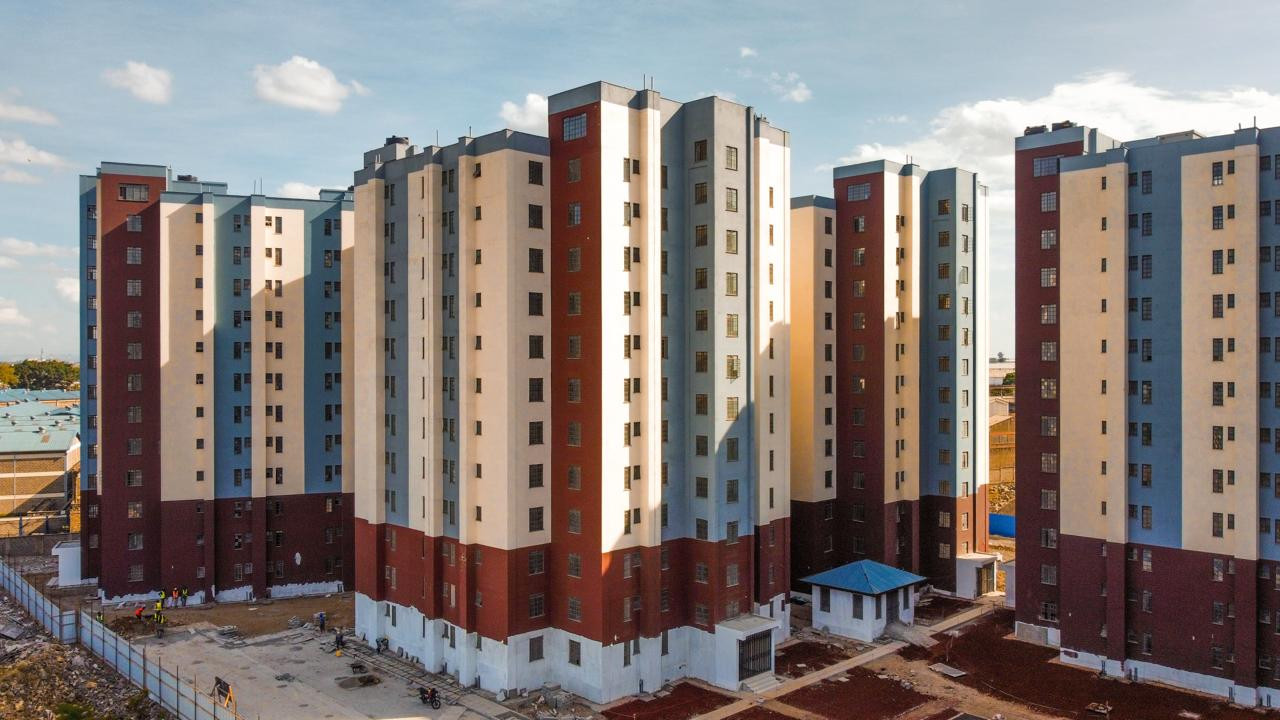
The government is looking for other ways to finance the Affordable Housing Programme after admitting that money collected through the Housing Levy is not enough to meet its target of building 200,000 homes every year.
Housing Principal Secretary Charles Hinga said the levy brings in about Ksh6 billion every month, but the amount cannot by itself support the government’s annual construction target.
Speaking on Friday, September 4, Hinga said the government was in talks with international development partners, including the World Bank, as it searches for long-term financing for the programme.
“The levy on its own, the total collection of the levy, we are collecting about Ksh6 billion per month. The Ksh6 billion per month on its own is not sufficient to sustain 200,000 units per year,” Hinga said.
He said one option being considered is to have the Housing Levy work alongside other sources of money to keep projects running.
Under the model, completed houses would be sold to buyers through the Tenant Purchase Agreement, with the money collected from the sales then used to finance more construction.
Hinga said the government would also use the levy to help bring in financing from development partners.
“As soon as the units are completed and titled and there is somebody who lives there, we are going to get the money back. We will now have the levy and the sales,” he said.
The Tenant Purchase Agreement allows beneficiaries to pay for their homes over an agreed period before eventually taking ownership.
Those who complete their payments are expected to receive sectional title deeds for their houses.
The government wants to build 200,000 affordable housing units every year, but the cost of meeting that target has put pressure on the current funding arrangement.
The Housing Levy, which requires a 1.5 per cent deduction, was introduced in 2023. After the initial levy was challenged in court, the government brought it back under the Affordable Housing Act, 2024.
The levy has remained unpopular among some Kenyans, especially salaried workers who have questioned deductions from their pay for a housing programme they may not eventually benefit from.
Hinga’s remarks now suggest the government will need to bring in more money from outside the levy if it is to maintain the planned pace of construction.