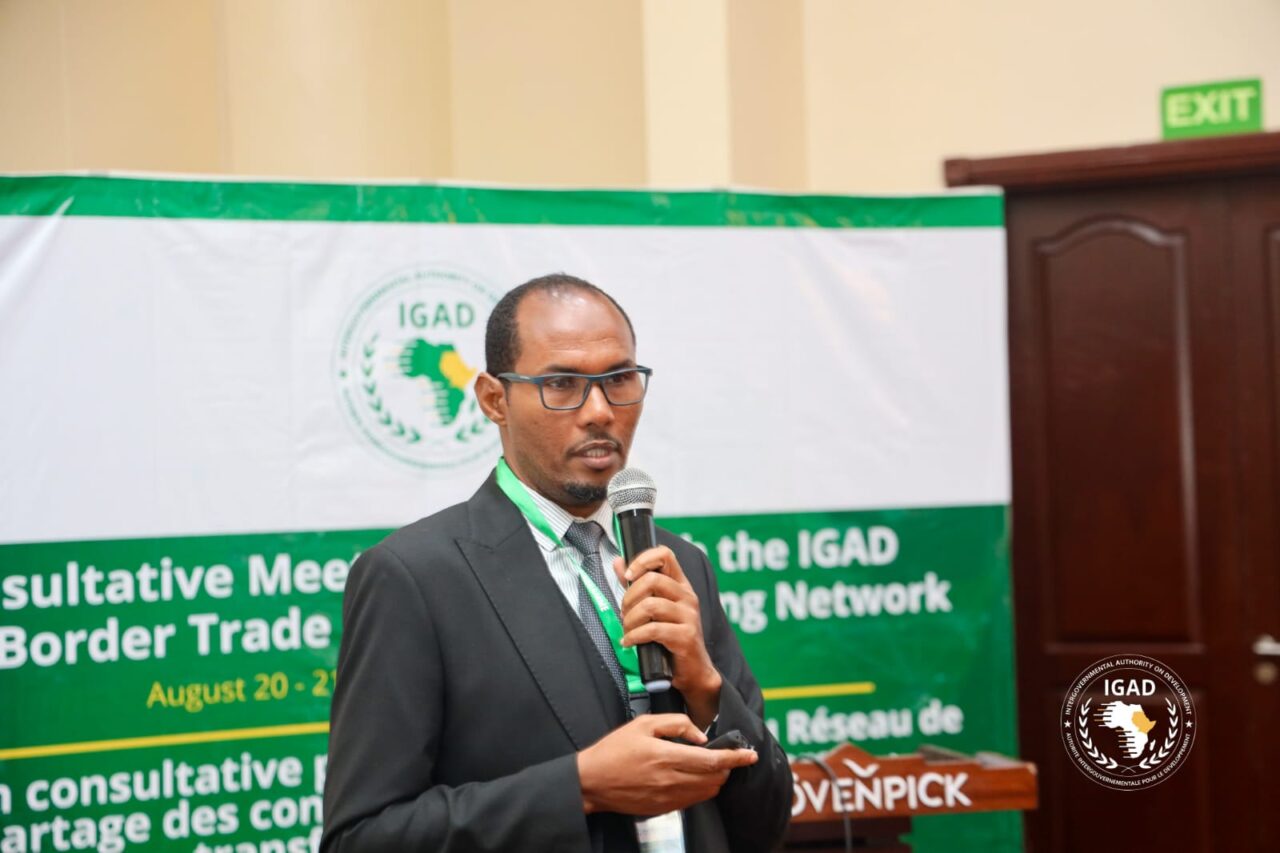
The Kenyan government has urged member states of the Intergovernmental Authority on Development (IGAD) to take ownership of a proposed platform that will support sharing of information on cross-border trade.
The government said the success of the Cross-Border Trade Knowledge-Sharing Network will depend on how well member states identify their trade challenges and remain committed to the platform after its launch.
Speaking during discussions on the initiative, Daniel Wachira, Head of Trade Facilitation at the Ministry of Trade, Investment and Industry, said countries in the region need to play an active role in shaping and using the network.
Wachira said identifying the challenges facing cross-border trade early would help ensure that the platform addresses the actual needs of traders, farmers, policymakers and institutions across the IGAD region.
He said the network should not be viewed simply as another information system, but as a practical tool that can help strengthen regional markets, support agricultural food systems and contribute to development in the region.
“We need to build a platform that is relevant, inclusive, technically sound and responsive to the needs of member states,” Wachira said.
He added that the system should provide practical value to cross-border traders, particularly those involved in agricultural value chains where information on markets, prices and demand is important when making decisions.
The proposed network is expected to improve coordination among IGAD member states by making trade data and regional market information more accessible.
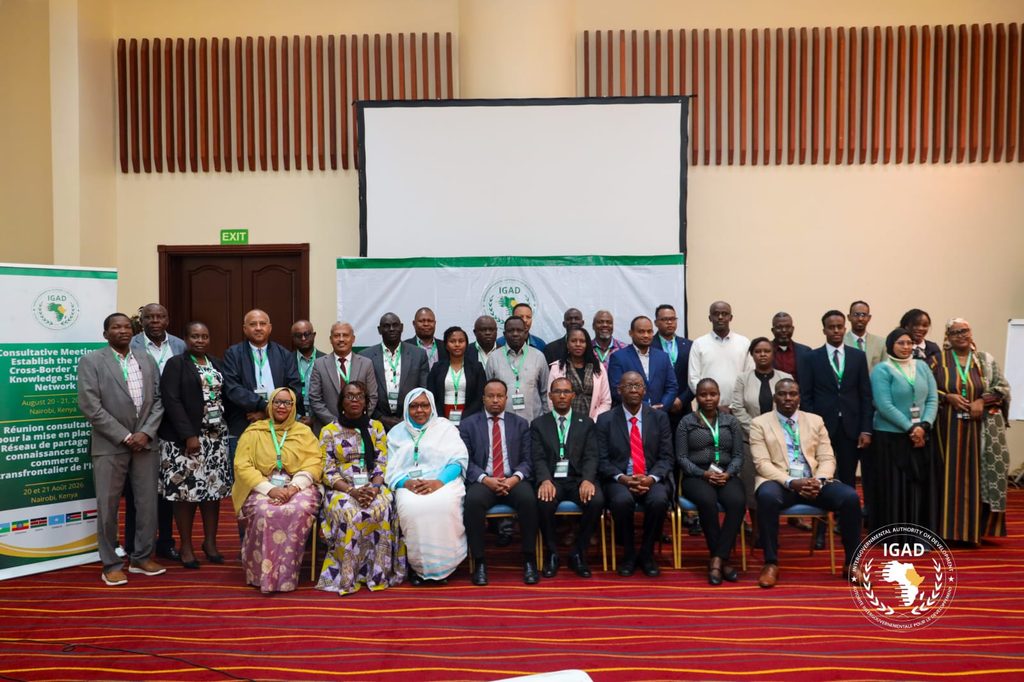
Stakeholders involved in the discussions said the platform could also help address challenges that continue to affect cross-border trade, including fragmented information systems, poor coordination and limited access to reliable trade data.
Real-time information for farmers
IGAD Head of Trade, Industry and Tourism Ismail Garo said providing farmers with real-time market information would help them make better decisions on what to produce, when to produce it and where to sell.
He said access to reliable information would also help farmers understand market prices and choose suitable markets for their produce.
“By availing this real-time information to farmers, it cuts information asymmetry problems, addresses transaction costs, and makes it easier for foreign investors to identify opportunities across the region,” said Garo.
According to Garo, better information sharing could also make it easier to understand the size of markets and investment opportunities available across IGAD member states.
He said this could help make the region more attractive to foreign direct investors.
The proposed Cross-Border Trade Knowledge-Sharing Network is part of wider efforts to strengthen regional integration, improve food system resilience and support the movement of agricultural goods across IGAD member states.
Kenya said continued participation by member states will be important in ensuring the platform remains useful, reliable and focused on the region’s trade priorities.