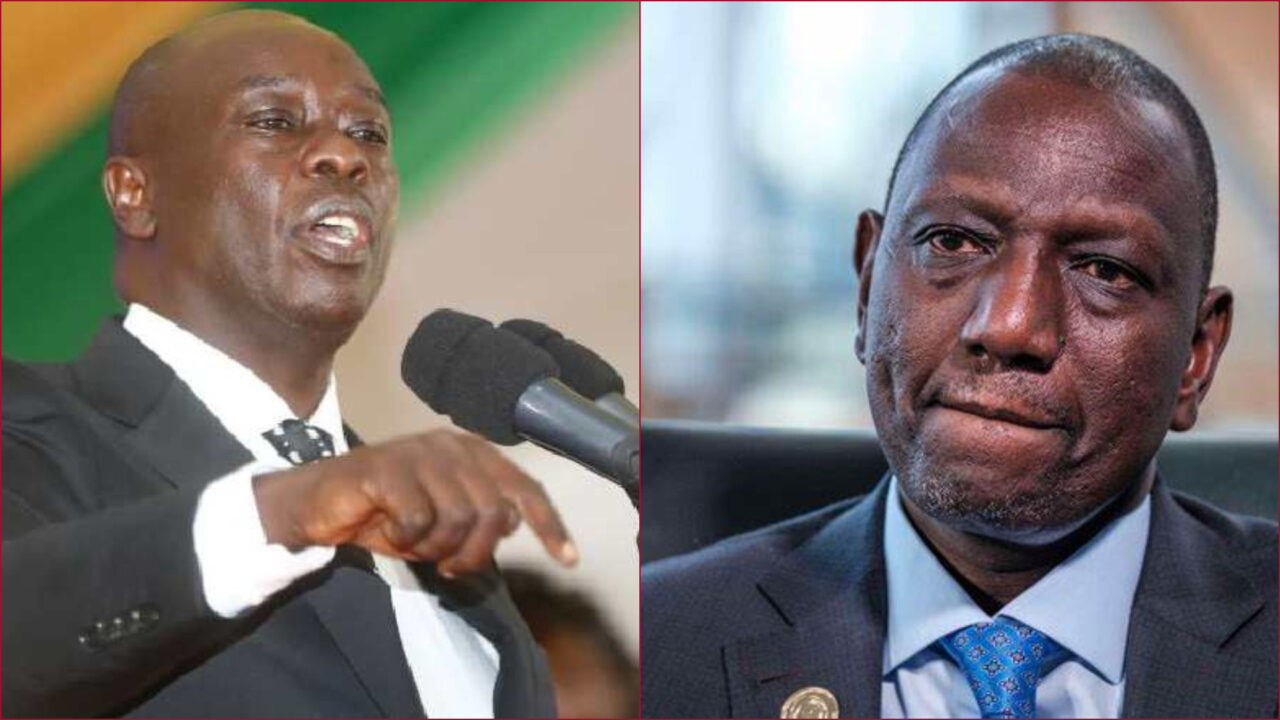
Former Deputy President Rigathi Gachagua has made political attacks against President William Ruto a central feature of his opposition campaign, but the question is whether the rhetoric will actually have a meaningful impact on Ruto’s bid for re-election in 2027.
For all the criticism directed at Ruto, Gachagua’s rhetoric alone may amount to little when voters eventually walk into polling stations.
Gachagua has been particularly vocal in Mount Kenya, accusing Ruto of betraying the region and warning against political parties and leaders he believes are being sponsored to divide the mountain.
But political rhetoric is not necessarily electoral strength.
Ruto will go into the 2027 contest with a record that he will put before voters. His administration will point to the programmes and projects it has implemented, the infrastructure investments made across the country, reforms in key sectors and the economic policies it says are beginning to deliver results.
Whether every Kenyan agrees with that record is a different question. Elections, however, are ultimately contests over competing records, promises and political choices.
Gachagua’s challenge is therefore to demonstrate that his criticism of Ruto can be converted into actual votes.
Being a fierce critic of the President does not automatically make one the preferred alternative.
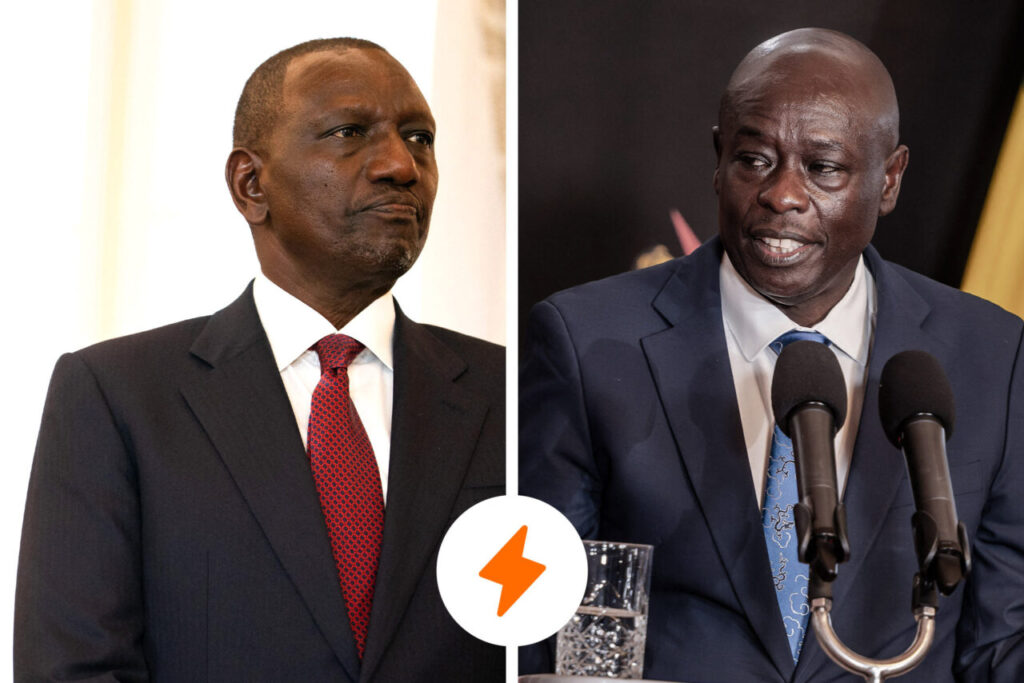
There is also an increasingly visible element of bitterness in Gachagua’s attacks against his former boss.
The two men once campaigned together, shared power and presented themselves as political partners. Their eventual fallout transformed that relationship into one of the most bitter political confrontations in the country.
Gachagua has every right to criticise Ruto and challenge his policies. But when political criticism becomes dominated by personal attacks, accusations and constant references to the past, voters may begin to question whether the opposition is driven by a coherent alternative agenda or by unresolved political grievances.
This is where Ruto could have an advantage.
The President can campaign on what his administration has achieved, what it intends to achieve in a second term and the alliances it has built across the country.
He does not necessarily need to respond to every statement coming from Gachagua.
In fact, engaging every attack could give Gachagua precisely the political relevance he is seeking.
The bigger question is whether Gachagua can consolidate Mount Kenya behind his political vehicle.
That is where the contest becomes serious.
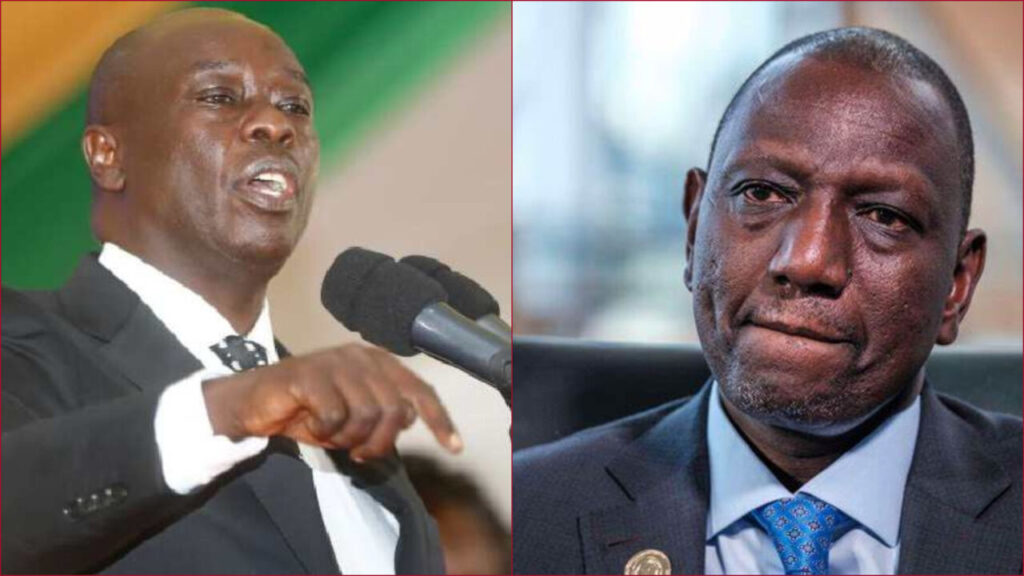
Mount Kenya is not a politically uniform bloc, and voters in the region have historically shifted their loyalties depending on circumstances, personalities and national political alliances.
Gachagua may have a significant following, but converting that support into a decisive regional vote for an alternative presidential candidate will require more than rallies and political rhetoric.
He will need a functioning political machine, credible candidates, resources, a national coalition and, most importantly, a convincing alternative to Ruto.
Ruto, meanwhile, has the advantage of incumbency and access to a broad political network.
His challenge is to ensure that his achievements resonate with ordinary voters.
If the President succeeds in convincing Kenyans that his administration has delivered and deserves another term, Gachagua’s attacks may struggle to change the electoral equation.
This does not mean Gachagua should be dismissed.
He remains an important political actor, particularly in the Mount Kenya region, and his ability to mobilise supporters should not be underestimated.
But political influence should ultimately be measured at the ballot box.
The 2027 election will not be won by whoever makes the loudest accusations. It will be won by whoever convinces enough Kenyans that he understands their problems, has delivered results or offers a better future.
For Ruto, the best response to Gachagua may therefore not be another political attack.
It may simply be to point to his record, defend his achievements, strengthen his alliances and let voters make the final judgment.
Gachagua can continue making noise.
But unless that noise is converted into votes, it will remain just that—political noise.