Kenya is positioning marine aquaculture as a key driver of the Blue Economy, with the National Mariculture Resource and Training Centre (NAMARET) in Shimoni set to expand research, fish seed production and skills development along the Coast.
Managed by the Kenya Marine and Fisheries Research Institute (KMFRI), NAMARET is being developed as a national hub for marine aquaculture research, technology transfer and capacity building, with the potential to create new livelihood and investment opportunities for coastal communities.
According to Interior Principal Secretary Raymond Omollo, upon completion, the facility will support innovation in several high-potential areas, including sea cucumber farming for export markets, seaweed production, marine finfish farming and coral reef restoration.
The centre is expected to help farmers and other players in the marine sector adopt modern aquaculture technologies while promoting responsible use and conservation of marine ecosystems.
A key component of NAMARET is the country’s first national marine hatchery dedicated to producing quality fingerlings. The facility is expected to strengthen the availability of reliable marine fish seed, addressing one of the challenges facing the expansion of marine aquaculture in Kenya.
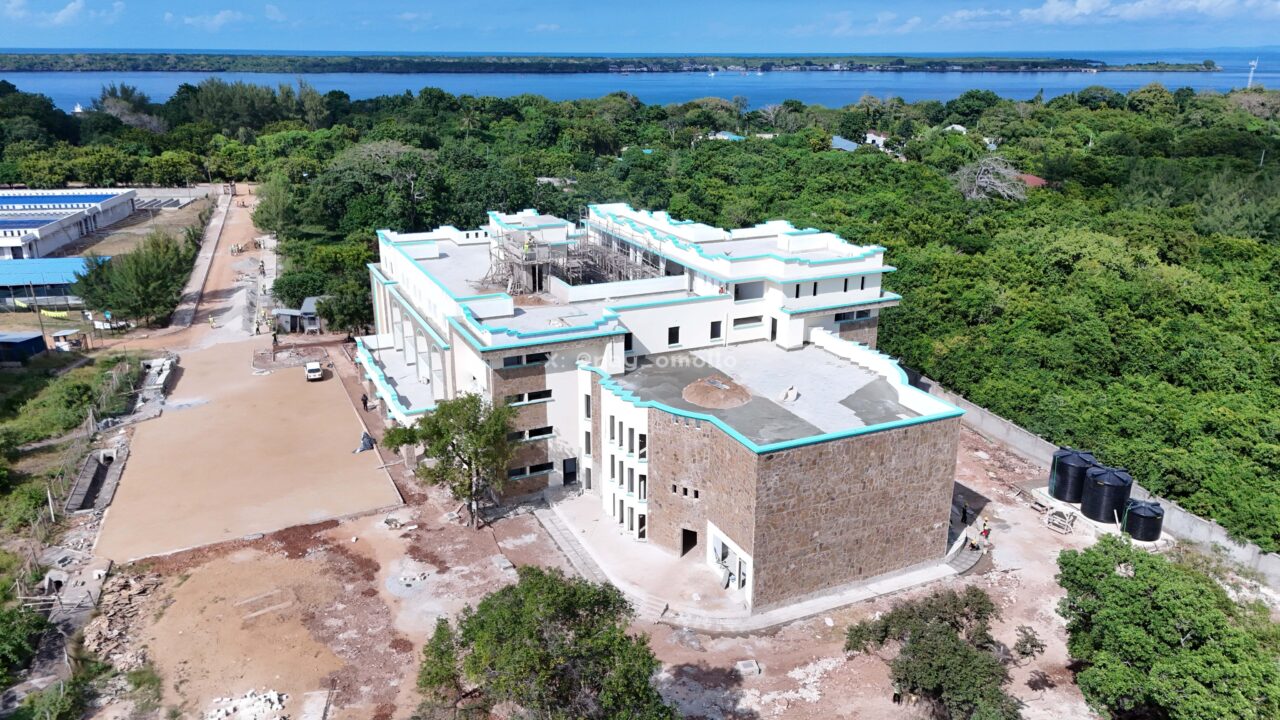
NAMARET also features a modern three-storey training complex designed to provide mariculture education and skills development. The facility will support training for farmers, researchers and other stakeholders seeking to build expertise in marine aquaculture.
Environmental management has also been incorporated into the centre’s design through eco-purification systems aimed at improving water quality and reducing the environmental impact of aquaculture activities.
An interactive marine aquarium will further complement the facility by providing space for research, education and public awareness on marine ecosystems and the importance of conserving Kenya’s coastal and marine resources.
The development of NAMARET comes at a time when Kenya is seeking to diversify coastal livelihoods and unlock greater economic value from its marine resources while ensuring their long-term sustainability.
Through research, innovation and support to farmers, the centre is expected to contribute to the growth of marine aquaculture value chains, potentially creating opportunities in production, processing, marketing and export.
The facility’s operations are also supported by the State Department for Internal Security and National Administration through the coordination role of National Government Administration Officers (NGAOs).
The officers support community engagement, safeguard critical public infrastructure and help create a secure environment for the centre’s operations.
As Kenya continues to pursue its Blue Economy agenda, NAMARET is expected to play a strategic role in connecting scientific research with practical opportunities for coastal communities, strengthening marine food production and opening new avenues for sustainable economic growth.
The centre therefore represents more than an aquaculture research facility; it is emerging as a platform for turning Kenya’s marine resources into sustainable livelihoods, skills and economic opportunities while protecting the ecosystems that support coastal communities.