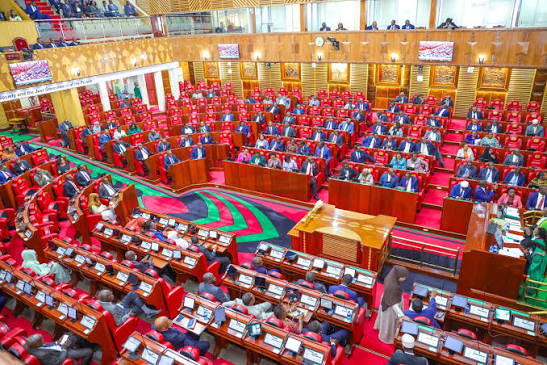
The National Assembly has passed the Finance Bill 2026 with amendments, setting the stage for its transmission to President William Ruto for assent into law.
The Bill was approved on Thursday evening through an electronic vote after lawmakers adopted all amendments proposed by the Finance and National Planning Committee.
A total of 122 Members of Parliament voted in support of the legislation, while 40 opposed it, with no abstentions recorded.
How Parliament passed Finance Bill 2026
The House had initially passed the Bill by acclamation, but a formal division was later ordered after some legislators requested a recorded vote, meeting the required threshold for an electronic ballot.
The legislation follows weeks of debate in Parliament, during which MPs examined a series of tax and revenue proposals introduced by the government.
The Finance Bill 2026 seeks to amend several tax laws, including the Income Tax Act, Value Added Tax Act, Excise Duty Act, Tax Procedures Act, Miscellaneous Fees and Levies Act, and the Stamp Duty Act, with the aim of boosting revenue collection and supporting government expenditure for the 2026/2027 financial year.
During the committee stage, Parliament adopted several amendments addressing public concerns, including the removal or revision of some contested tax measures and the protection of reliefs on selected essential goods.