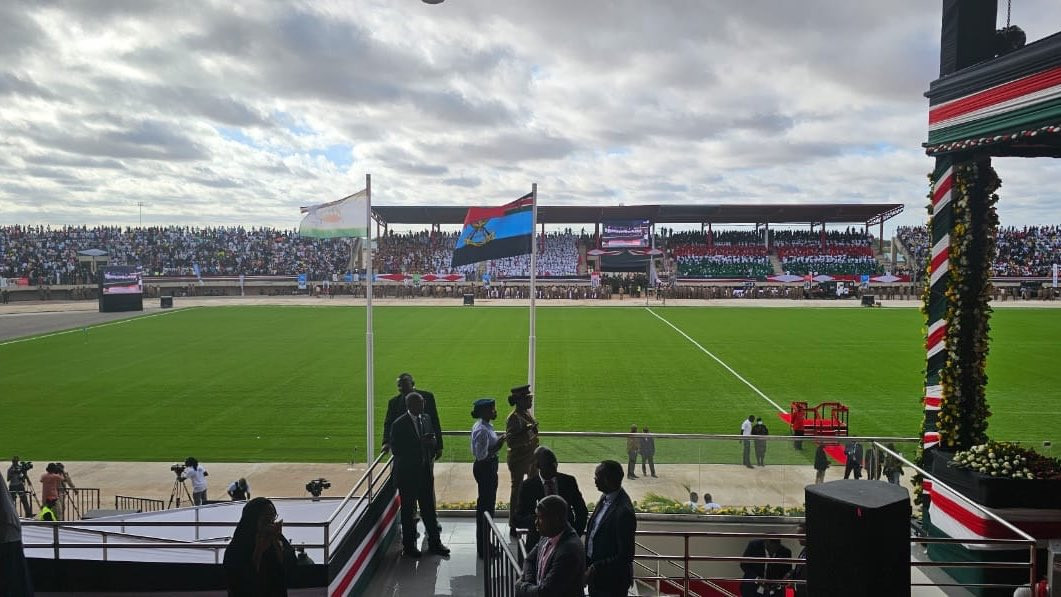
By hosting Madaraka Day celebrations in Wajir for the first time since independence, President William Ruto’s administration may have done more than simply change the venue of a national event.
It sent a powerful political and developmental message that Kenya’s national story should no longer revolve around a few traditional centres of power and economic influence.
For decades, major national celebrations have largely been associated with Nairobi and a handful of major towns.
Wajir’s selection represents a deliberate departure from that tradition and aligns closely with the President’s assertion that no region should be left behind in Kenya’s development journey.
During his address, Ruto acknowledged that Northern Kenya had endured years of marginalisation, discrimination and policy failures that left communities without adequate roads, schools, healthcare facilities and water infrastructure.
His apology to the region was significant, but perhaps more significant was the symbolism of bringing the country’s most important national celebration to an area that has often felt excluded from the national conversation.
The decision reflects a broader shift in governance philosophy. Rather than merely talking about inclusivity, the government appears keen on demonstrating it through action.
By taking national celebrations to historically neglected regions, the state elevates their visibility, highlights their development needs and reinforces their place within the national identity.
Ruto’s promise of increased investments in roads, schools and water projects across Northern Kenya further strengthens this narrative.
The celebration was not presented as a one-day event but as part of a larger effort to integrate the region into the country’s economic and social development agenda.
Critics may argue that symbolism alone cannot solve decades of underdevelopment. They would be right. Residents will ultimately judge the significance of the Wajir celebrations by the roads built, the schools constructed, the water projects completed and the economic opportunities created in the years ahead.
However, symbols matter in nation-building. National holidays are moments when a country tells itself who it is and what it values.
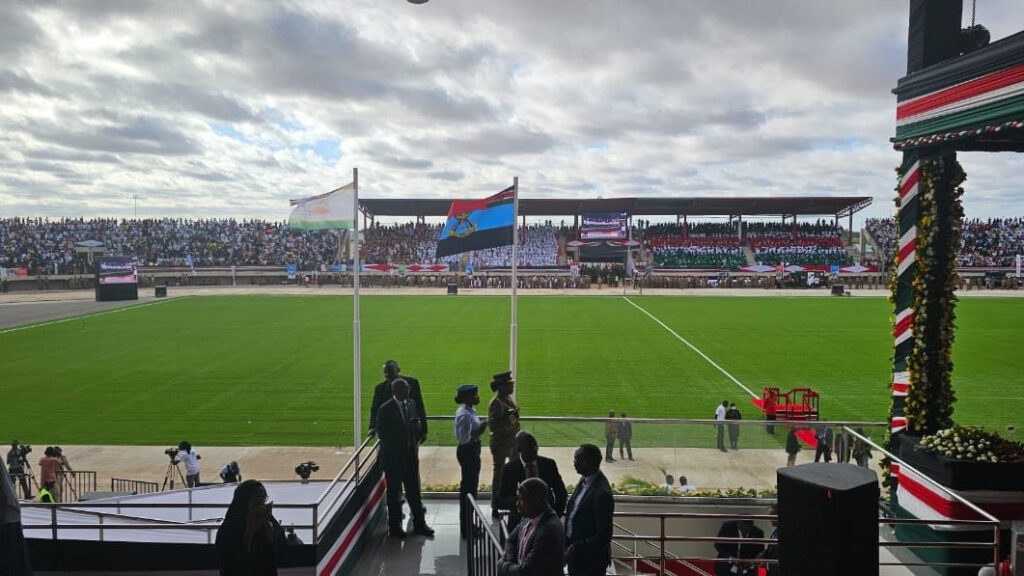
By choosing Wajir, the government effectively declared that Northern Kenya is not a peripheral region but an integral part of Kenya’s future.
If future governments continue to rotate national celebrations across historically underserved regions, Wajir 2026 could be remembered as the moment Kenya began redefining national inclusion—not merely through speeches, but through the places it chooses to spotlight.
The true test now lies in whether the promises made in Wajir translate into lasting development.
If they do, the 2026 Madaraka Day celebrations may be remembered not only as a historic event, but as the beginning of a new chapter in Kenya’s approach to equity, inclusion and national unity.