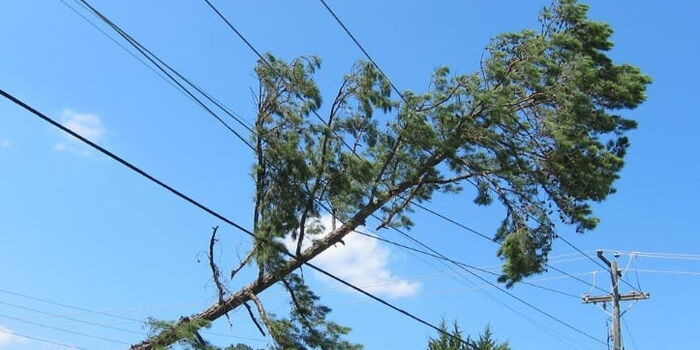
The Energy and Petroleum Regulatory Authority (EPRA) has cautioned Kenyans against cutting trees near power lines, warning that the practice poses serious safety risks, including electrocution and widespread power disruptions.
In a notice shared on Tuesday, the authority said that trimming or felling trees near electricity lines without proper coordination could also damage critical infrastructure.
“Avoid cutting trees near power lines; this could result in electrocution, outages and damage,” EPRA warned.
The regulator has instead urged members of the public to seek assistance from the Kenya Power and Lighting Company (Kenya Power) before attempting any such activity.
“Always contact Kenya Power Care for safe removal,” the statement added.
As per the agency, all persons wishing to cut trees in proximity to power lines are advised to liaise with the nearest branch of Kenya Power or contact the company through customer care, which includes dialling *977# or calling 0709 336 000.
Technicians will be sent by the agency to inspect the scene and identify whether tree pruning or outright removal is required. Line clearance workers with relevant experience will thereafter conduct the operations according to special procedures that ensure no harm is done to the power lines.
Furthermore, the Kenya Power authority insists that there is a minimum clearance of five metres around electricity lines to prevent any form of interference.
EPRA has warned, however, that any destruction or sabotage of energy infrastructure attracts severe punishment in accordance with the Energy Act of 2019.
A person found to have committed any offense will face a fine not exceeding Ksh5 million, imprisonment for up to 10 years, or both. For cases regarded as economic sabotage, the fine may amount to Ksh1 billion or up to 15 years in prison.
EPRA stressed that these laws would be applicable to all those acts that lead to damage done to electricity infrastructure, such as cables, transformers, and meters.
The threat has been issued during the continued attempt made by people in the energy sector to ensure security of electricity infrastructures.