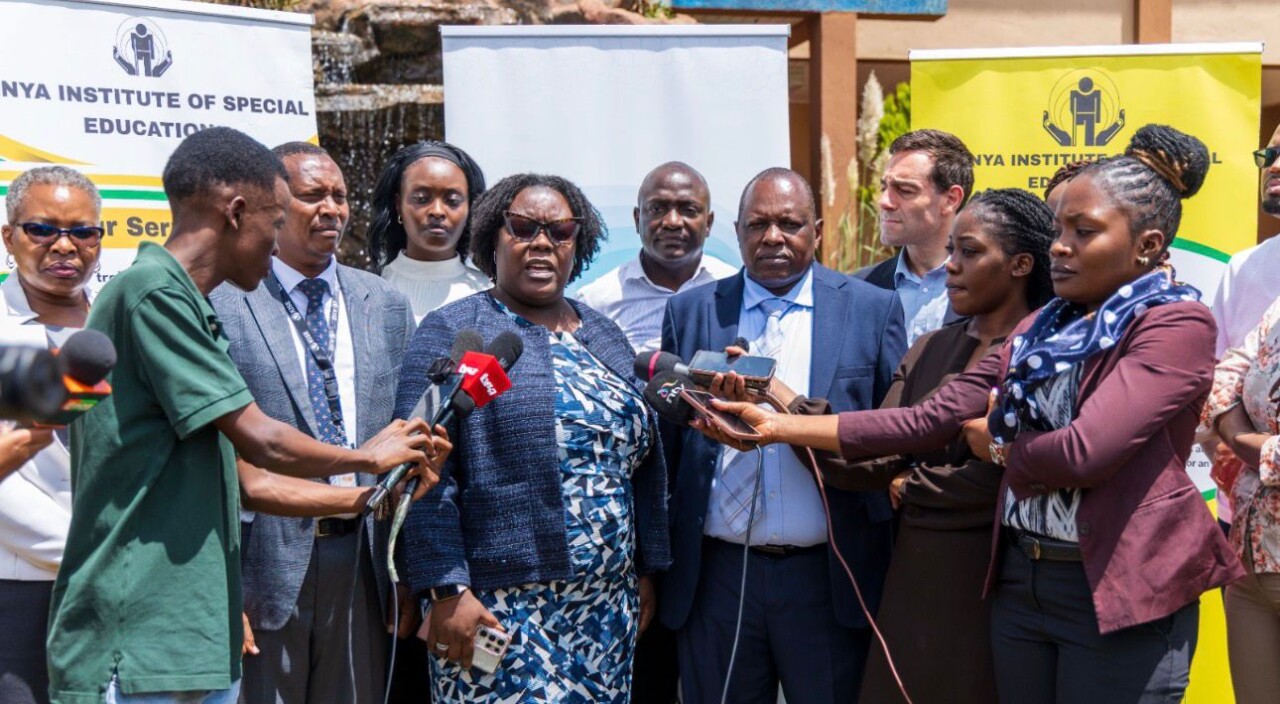
Journalists on Friday visited the Kenya Institute of Special Education in Kasarani, Nairobi, for a media tour ahead of the launch of a new project that will use technology to support persons with disabilities.
The project, known as the Kenya AI for Disability Project, will be officially launched next week during the Connected Africa Summit.
During the tour, media were taken through different sections of the institution, where they saw assistive technologies in action and met innovators working on digital solutions to help persons with disabilities access education, jobs and business opportunities.
Speaking during the tour, KISE Director Dr Norman Kiogora said the institution is working to ensure that people with disabilities are not left behind as the country moves into the digital age.
“Today, we opened our doors not only to showcase the work of KISE, but also to demonstrate our growing commitment to inclusive innovation that ensures persons with disabilities are not left behind in the digital age,” he said.
He added that many people with disabilities in Kenya still struggle to access education, assistive tools and job opportunities, and said there is need for technology that solves real challenges.
Dr Kiogora also revealed that some of the ideas being worked on started during an AI hackathon held in 2024 and are now moving to the next stage where they can be developed into real solutions.
From the government side, Molocyce Esther from the Ministry of Information Communications and the Digital Economy said artificial intelligence has the power to improve inclusion if used well.
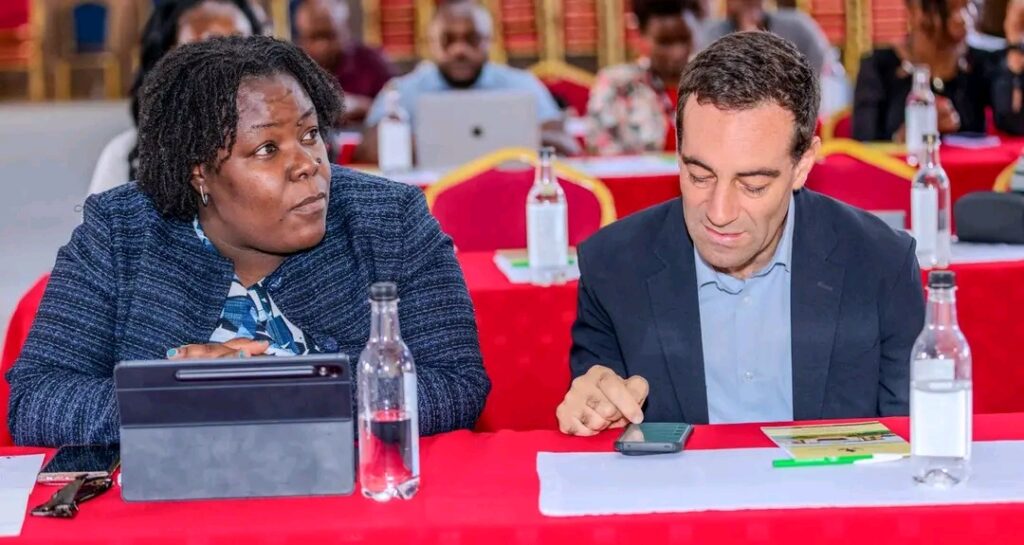
“Artificial Intelligence is a powerful driver of inclusivity, and we cannot have a serious conversation about inclusion without placing persons with disabilities at the centre,” she said.
She noted that the project comes at the right time, adding that Kenya needs more partnerships that use innovation to solve real social problems.
On his part, Adam Lane from Huawei said disability should not be treated as a small issue in society.
“Disability inclusion is not a niche issue, it is a mainstream societal issue,” he said, adding that technology should be designed to meet the needs of different people.
Shikoh Gitau, CEO of Qhala, said assistive technology is important in helping people live independently.
“Assistive technology is not a luxury; it is a gateway to participation, independence and dignity,” she said.
George Siso from inABLE also stressed the need to include everyone when building digital solutions.
“Digital inclusion must mean everyone, including persons with disabilities,” he said.
The event also highlighted the challenges many people with disabilities face, including low employment levels. Stakeholders say projects like this can help change that by opening up more opportunities.
The Kenya AI for Disability Project is expected to be officially launched during the Connected Africa Summit set to take place next week from 27th – 30th April at The Edge Convention Center.