Kenya has officially launched the Biodiversity Finance Initiative (BIOFIN), a major step aimed at mobilizing sustainable financing for conservation and advancing the country’s transition toward a nature-positive economy.
Speaking virtually during the launch, Principal Secretary for Environment and Climate Change Festus K. Ng’eno said the initiative provides an evidence-based framework to address long-standing financing gaps that have hindered biodiversity conservation efforts.
The event brought together key stakeholders including Jean-Luc Stalon, Samuel Tirionko, Jackson Kiplagat, as well as representatives from the National Treasury, Vision 2030, development partners, the private sector, and civil society.
Ng’eno noted that Kenya’s rich biodiversity supports key economic sectors such as agriculture, tourism, fisheries, forestry, and water resources, which collectively sustain millions of livelihoods.

“Financing biodiversity should not be viewed as a cost, but as a strategic investment in economic resilience, climate adaptation, and sustainable development,” he said.
However, he warned that these ecosystems are increasingly under threat from climate change, land degradation, pollution, and unsustainable resource use.
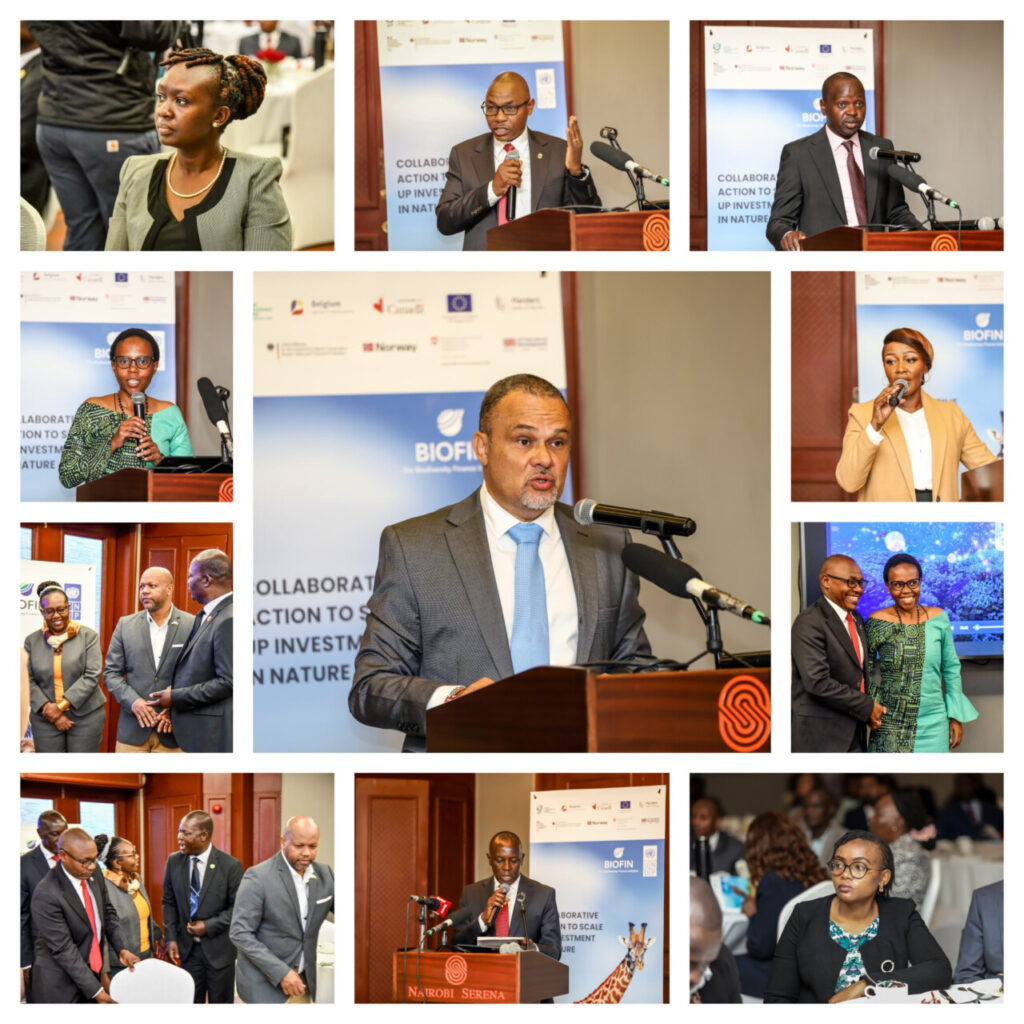
He emphasized that biodiversity conservation is not only an environmental priority but also a critical economic and development issue that must be integrated into national planning and budgeting.
The BIOFIN process, supported by the United Nations Development Programme, has already undertaken technical assessments, policy reviews, and stakeholder consultations to map current spending and identify financing gaps.
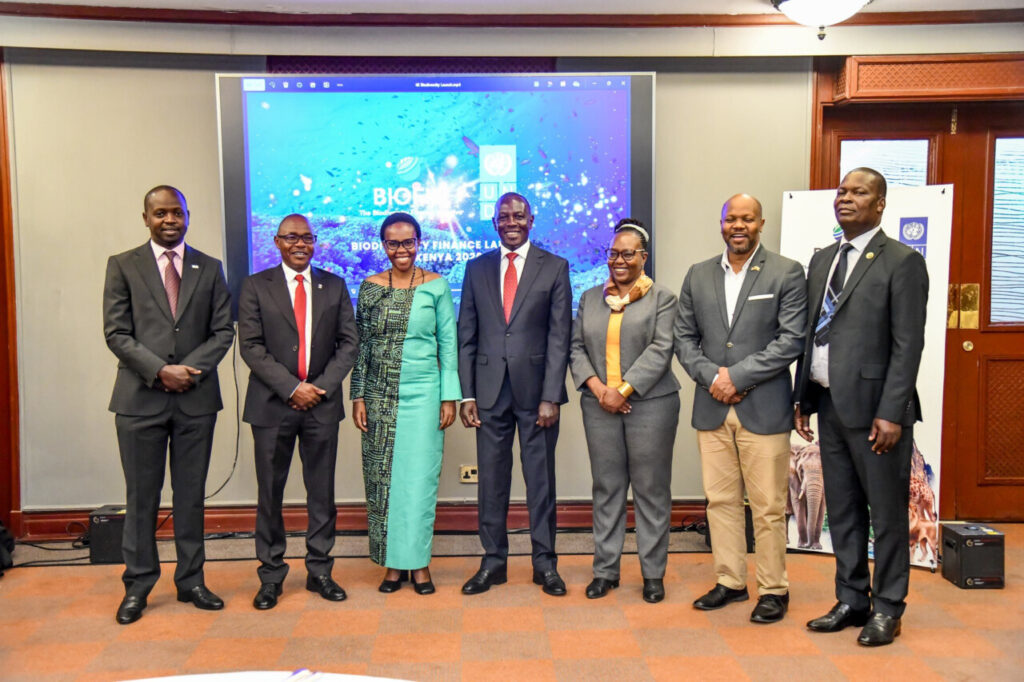
Ng’eno said the initiative will strengthen biodiversity finance tracking, improve policy coordination, and help align financial flows with national conservation priorities under the Convention on Biological Diversity and the Kunming-Montreal Global Biodiversity Framework.

He further highlighted innovative financing tools such as green and blue bonds, blended finance, and biodiversity credits as potential mechanisms to attract private sector investment into conservation.