Kenya has reaffirmed its long-standing commitment to hosting and supporting refugees, calling on the international community to back its ambitious plan to integrate displaced populations into local communities.
For more than four decades, Kenya has worked closely with the United Nations High Commissioner for Refugees (UNHCR) to provide sanctuary to tens of thousands of refugees and immigrants fleeing war, conflict and instability in neighbouring countries. The government says the country’s record as a safe and welcoming destination reflects its broader commitment to regional stability and humanitarian responsibility.
Over the years, refugees have been offered what officials describe as “a home away from home,” with access to relative security and a stable environment as they rebuild their lives.
"Last year, Kenya launched the Shirika Plan that aims at integrating refugees in local communities. The plan promotes self-reliant settlements and socio-economic inclusion for both refugees and host communities, moving refugees from dependency to self-reliance," said President William Ruto.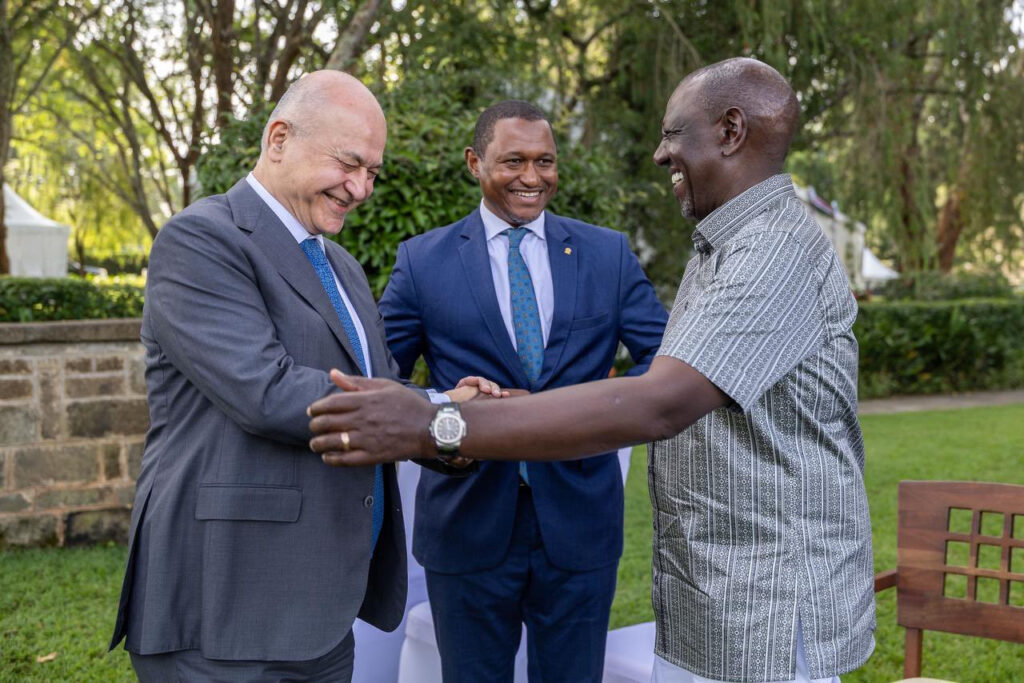
The plan seeks to integrate refugees into host communities through self-reliant settlements, expanded access to livelihoods, and inclusive social and economic programmes that benefit both refugees and local residents.
Government officials say the initiative is a major departure from traditional encampment models and aligns with global efforts to find durable solutions to displacement challenges. However, they note that its success will depend heavily on sustained financial and technical support from development partners and the wider international community.
Kenya has therefore urged donors and multilateral institutions to rally behind the Shirika Plan as its implementation gains momentum across the country.
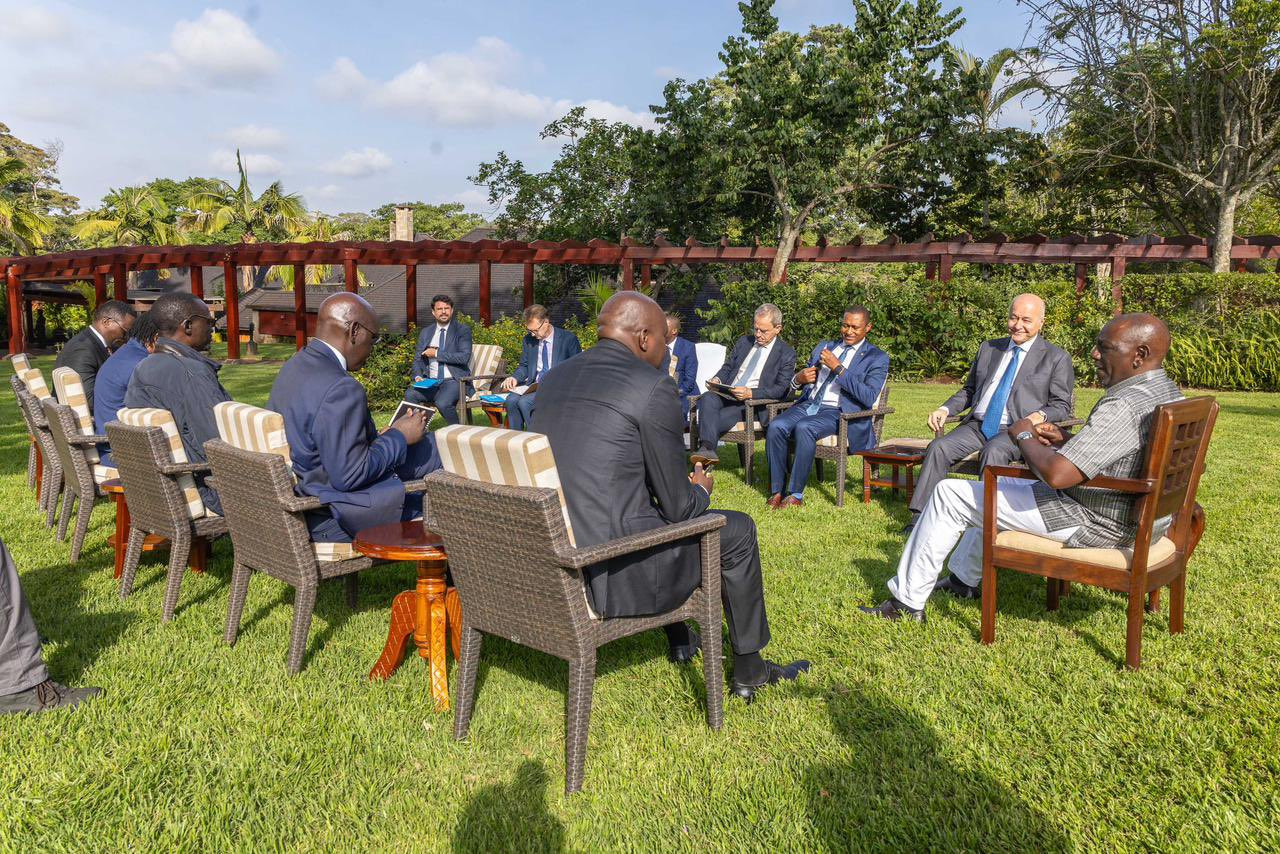
The appeal was made following a meeting between Kenyan officials and United Nations High Commissioner for Refugees Barham Salih at State Lodge Sagana in Nyeri County, where discussions focused on strengthening cooperation and mobilising international support for the programme.