By:Mwalimu Muthisya
The last regime left a profound impact on the economy of Mombasa and the entire coast region. Life, particularly in towns along the Mombasa-Nairobi corridor, from Mlolongo to Mariakani, hit unprecedented lows.
This decline was largely attributed to the controversial transfer of port operations from Mombasa to Naivasha.
Many towns along this critical trade route struggled economically, with businesses collapsing and the once-bustling transport sector becoming a shadow of its former self.
For a time, it seemed as though these areas were turning into ghost towns.
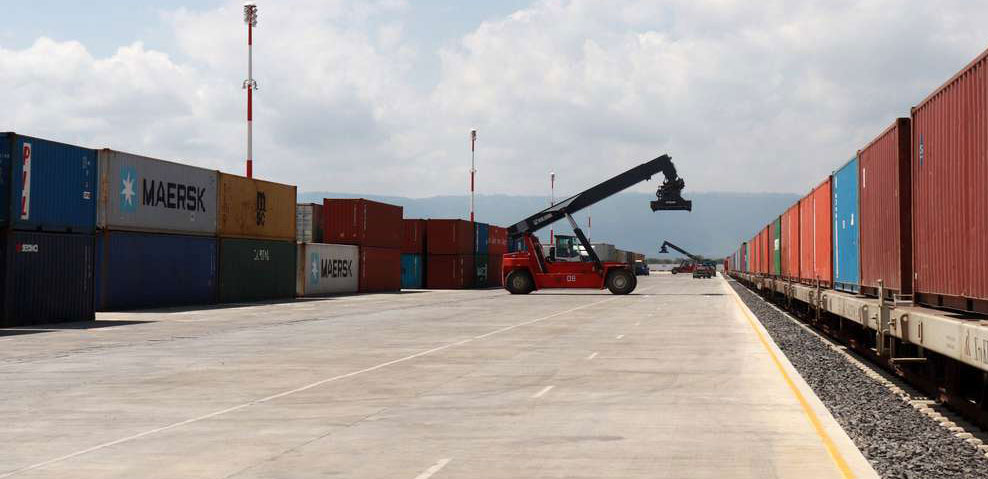
The transfer of the port inland had far-reaching implications. It disrupted the livelihoods of thousands, particularly truck drivers, clearing agents, and local business owners, whose incomes were tied to the logistics industry.
The ripple effects were felt across the coastal economy as hotels, restaurants, and markets saw a decline in customers, many of whom relied on the port’s activities to sustain their businesses.
However, after President William Ruto took office, fulfilling a key campaign promise, the port was restored to Mombasa.
This decision breathed new life into the coastal region and the towns along the Mombasa Road. Transporters returned their trucks to the highways, reviving trade and commerce, and many businesses saw a resurgence in activity.
The economy of Mombasa, a major gateway for East African trade, gradually recovered.
The vibrancy has returned, as anyone traveling from Nairobi to Mombasa today can witness firsthand.
Yet, it is also important to recognize that while the restoration of the port has benefited the region, broader economic challenges still exist.
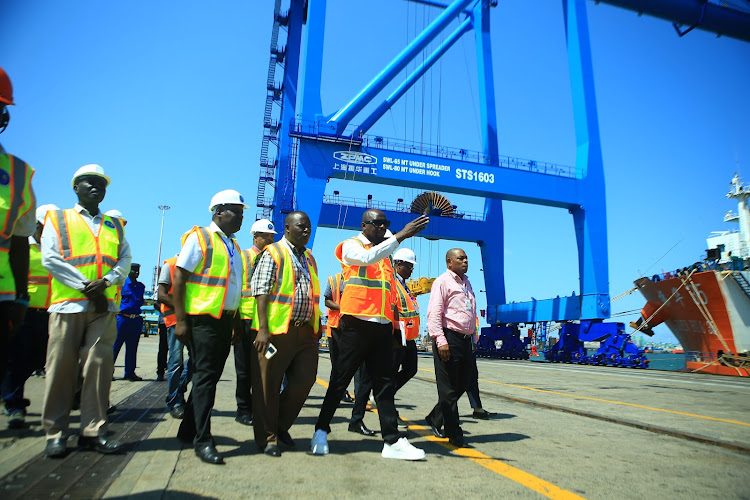
While some transporters and businesses are back to prosperity, others still struggle to regain their footing fully, especially in light of rising global fuel costs and inflationary pressures, which continue to affect transport costs.
Furthermore, the port’s management must continue to evolve to meet global standards and ensure its long-term sustainability.
On a broader scale, the issue of high food prices has been another pressing challenge for Kenyans. During the previous regime, subsidies were introduced on select goods such as maize flour, yet these measures failed to deliver long-term relief to the majority of citizens.
Prices remained high, leading to widespread frustration. President Ruto’s administration chose to remove subsidies, which some had relied on, but has since managed to reduce prices of key commodities without those financial crutches.
This move, aimed at creating a more sustainable economic environment, shows that immediate relief through subsidies might not always be the best long-term solution.
Fuel shortages, which crippled parts of the country, have also become a thing of the past. Though global factors still influence prices, the availability of fuel at stations has stabilized.
While prices at the pump have not dropped as significantly as some might hope, the consistent supply and gradual price reductions signal the government’s attempts to restore stability.
Nevertheless, it is also fair to acknowledge the other side of the coin. While significant improvements have been made, some critics argue that progress has been slower than anticipated.
Many feel the pinch of the high cost of living and believe that more could be done to address unemployment and economic disparities.
The cost of fuel, while reduced, is still a burden for many Kenyans, and inflation continues to impact everyday expenses. Therefore, while the President’s efforts are commendable, ongoing work is needed to address these deeper economic concerns.
As a country, we need to recognize the progress that has been made under President Ruto’s administration, particularly in the short two years he has been in office.
His focus on revitalizing key sectors, such as logistics and agriculture, demonstrates his commitment to steering Kenya towards economic recovery.
However, it is also essential that we remain vigilant and hold the government accountable for its promises to ensure that these positive changes are felt by all citizens, especially the most vulnerable.
Instead of fixating on complaints, it might be more productive to offer constructive criticism while giving the President the time and space to implement his broader vision for Kenya.
Building a robust economy takes time, and while the road may be long, the initial signs of recovery should give us hope for the future.
However, continued dialogue and engagement are crucial to ensure that the benefits of this recovery are widespread and inclusive.
In the end, the question is not whether the President has delivered in certain areas—clearly, he has—but whether the pace of delivery can be accelerated and if the gains made can be sustained for the long term.
For Kenya to achieve economic greatness, all sectors must continue working together toward this shared goal.