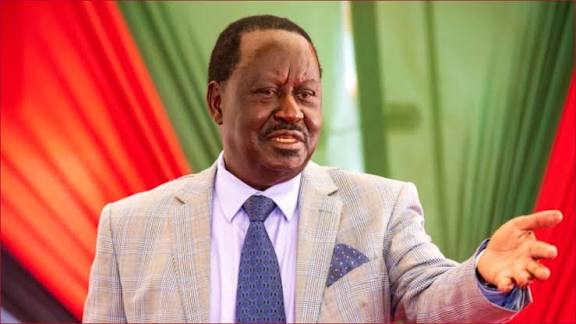
The passing of Raila Amolo Odinga leaves a big hole in Kenya’s political landscape. For more than 40 years, he was the face of opposition, a challenger to power, and a symbol of persistence.
Now with him gone, many questions arise: What changes? Who loses? What happens to ODM? Who steps in? And what does the constitution allow?
Who’s Affected And How
ODM (Orange Democratic Movement): The biggest immediate impact is on ODM. Raila was the anchor of the party.
His absence may spur internal contests for leadership and a reshuffle of loyalties.
Supporters and regions: Areas that strongly backed Raila especially parts of Nyanza, Western Kenya, and among certain youth and reform constituencies may feel unmoored. Rival parties might try to make inroads there.
Opposition coalitions: Monarchs like ODM often helped anchor alliances like Azimio. Those coalitions may shake, split, or reconfigure as leaders scramble to fill the void.
The ruling side: President William Ruto and his allies may see this as an opportunity to consolidate power, co-opt some of Raila’s base, or shift narratives from confrontation to continuity.
What Happens to ODM? Who Takes Over?
There isn’t a single obvious successor. A few possible scenarios:
Anointed heir or deputy steps up: ODM may rally behind a longtime lieutenant someone who has worked closely with Raila and already has a following.
Leadership struggle: Ambitious figures may contest for control, leading to internal conflict. Factions could emerge, each backing a different leader.
Coalitions or mergers: Some might push for ODM to be absorbed into broader political alliances or new movements, especially if unity strengthens its position.
Whichever path emerges, it won’t be smooth.
A party built around a towering single figure often faces identity crises when that person departs.
What the Constitution Says
Kenya’s constitution doesn’t provide a direct roadmap for the death of an opposition leader or party head. Its succession rules are about the presidency, not party leadership.
For state offices, such as President or Deputy President, the constitution has clear succession mechanisms.
For parties, the law defers to their statutes, constitutions, or internal rules, meaning ODM’s own bylaws will likely dictate how a new leader is chosen.
A new leadership must still operate under Kenya’s broader constitutional system: all party transitions must respect democratic rights, internal elections, due process, and party regulation by the Registrar of Political Parties.
Will the Broad-Based Government Change?
The “Broad-Based Government” concept in Kenya refers to inclusive governance or coalitions that bring multiple parties into power-sharing or collaborative frameworks.
Raila’s death could trigger:
Reconfiguration of coalitions: Some members may leave, others may form new alliances.
Negotiations and bargaining: Parties could demand more roles or influence to fill the void.
Shifts in balance: The ruling side might gain advantage in shaping new coalitions, setting terms, or attracting defectors from ODM or allied parties.
It’s unlikely everything changes overnight, but expect movement, realignment, and fresh deals.
Policy & Narrative Shifts
Campaign themes: Without Raila pushing issues like electoral justice, inequality, or “Azimio” rhetoric, political messaging may pivot. Opponents could reframe debates.
Youth and reform space: Raila’s legacy drew younger activists and reformers. Some may feel empowered to step up; others might drift toward new framers.
International and regional posture: Raila had a voice across Africa. His absence may weaken Kenya’s presence in certain regional platforms, or create space for other leaders to rise.
What Happens Next In Short
In the weeks and months ahead, eyes will be on ODM’s leadership transition, new alliances taking shape, and how the political map shifts especially ahead of the 2027 elections.
The constitution provides no magic bullet for what happens inside political parties; those rules are internal.
But, Kenya’s broader system, including electoral law, public accountability, and party regulation, will still shape what is possible.
Raila Odinga’s death is a turning point. It doesn’t end Kenya’s story it begins a new chapter.