The government is targeting to increase national water coverage from the current 76 per cent to 80 per cent by 2027, as it steps up investment in water infrastructure, sanitation programmes and multipurpose dams across the country.
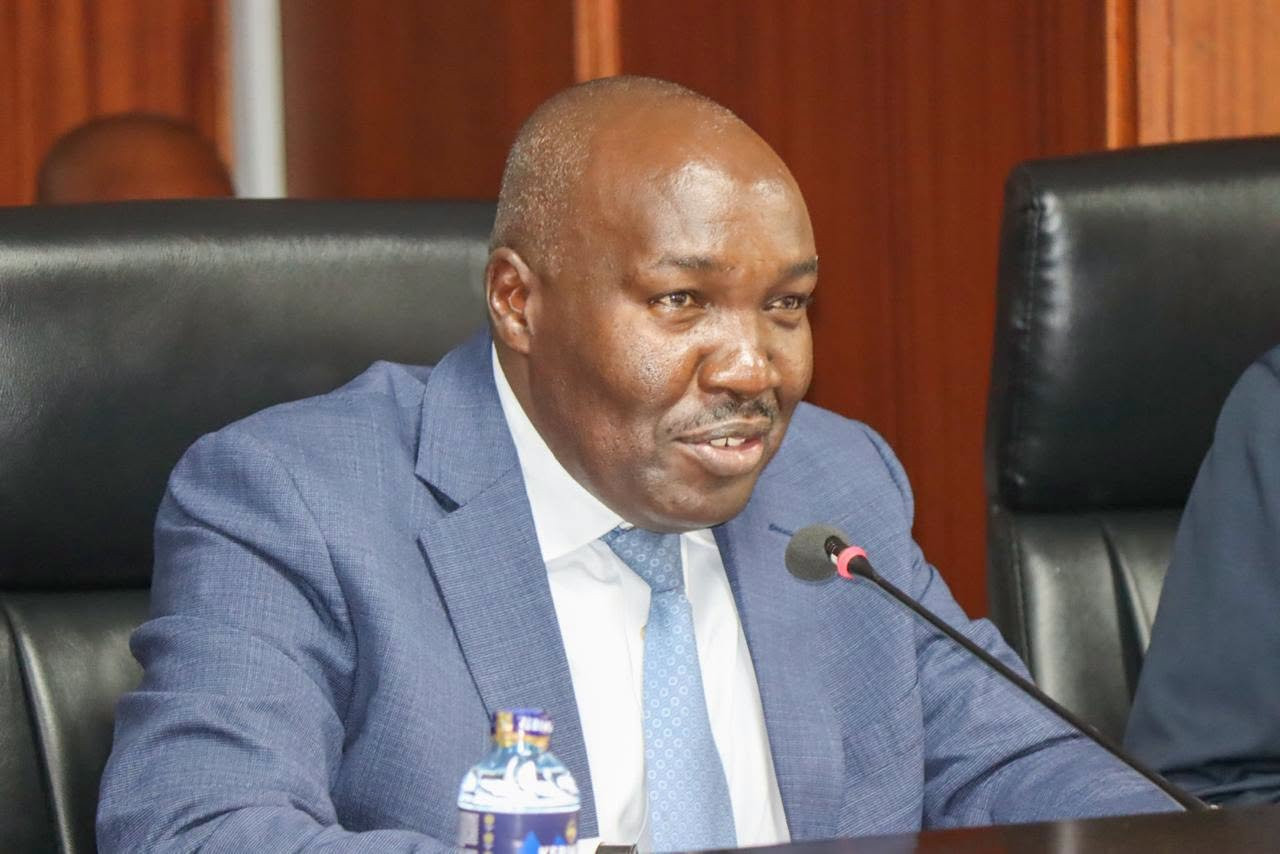
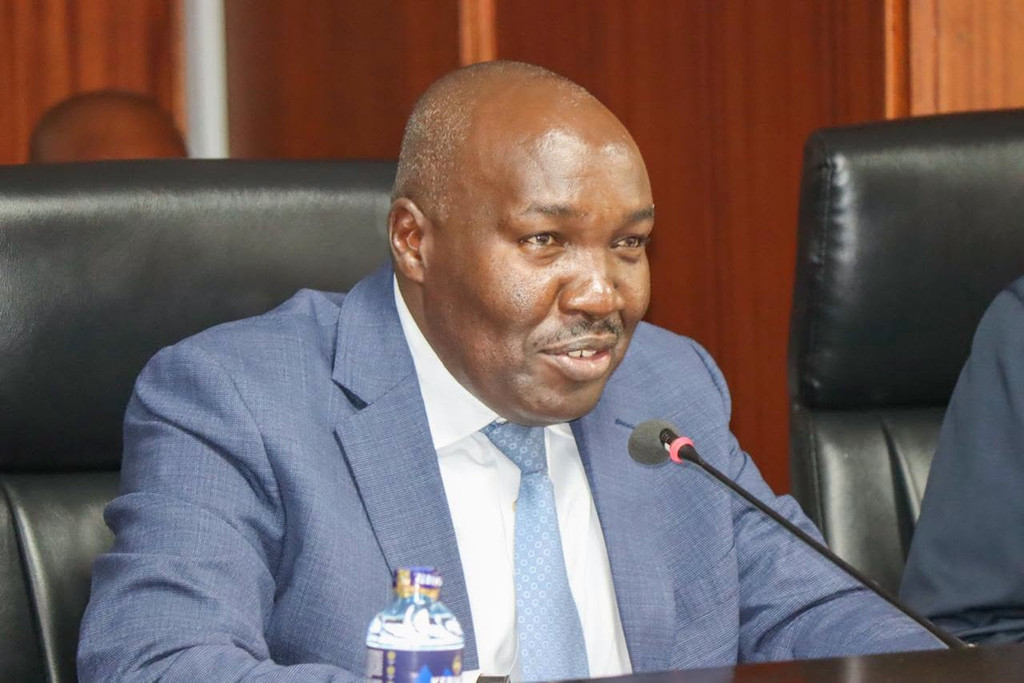
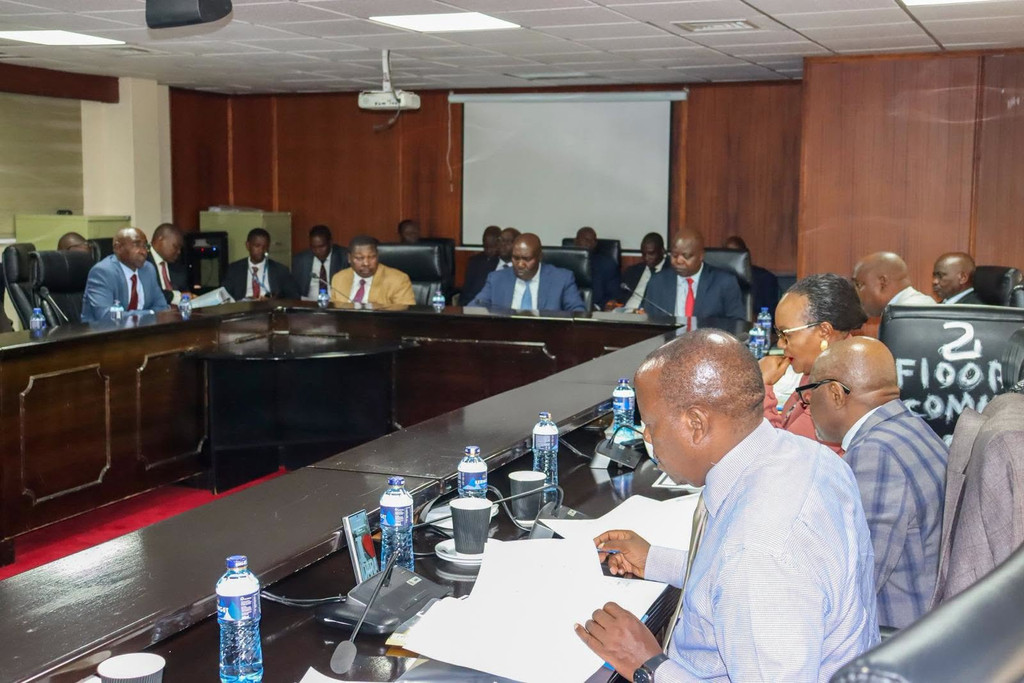
The target was outlined by Principal Secretary for Water and Sanitation Julius Korir during his appearance before the National Assembly Departmental Committee on Blue Economy, Water and Irrigation, where he presented the 2027 Draft Budget Policy Statement for the State Department for Water and Sanitation.
The session was chaired by Committee Vice Chairperson Marwa Kitayama, the MP for Kuria East, who represented Committee Chairperson Kangogo Bowen, MP for Marakwet East.
Korir told the committee that the government was prioritising equitable access to clean and safe water through major infrastructure projects and programmes targeting communities facing water shortages, sanitation challenges and climate-related risks.
Among the programmes highlighted was the Horn of Africa Groundwater for Resilience Programme, which is being implemented in Mandera, Wajir, Garissa, Turkana and Marsabit counties.
The programme is currently at 23 per cent implementation and targets the rehabilitation of 400 boreholes and 150 rural water supply schemes. Upon completion, it is expected to benefit approximately 700,000 people.
The Principal Secretary also outlined progress under the Kenya Water, Sanitation and Hygiene Programme (K-WASH), which covers 19 counties and seeks to improve access to water and sanitation services.
The programme also aims to eliminate open defecation while strengthening the operational and financial performance of Water Service Providers.
K-WASH is expected to benefit approximately four million people upon completion, including 320,000 refugees and 400,000 members of host communities.
On water storage infrastructure, Korir presented the government’s ambition to increase national water storage capacity from 4,136 million cubic metres to 13,177 million cubic metres by 2027 through the development of multipurpose water infrastructure.
Several major dam projects featured in the presentation, with the Mwache Multipurpose Dam in Kwale County reported to be 88 per cent complete.
The project is expected to provide water to approximately 350,000 people and support irrigation of 1,000 acres of agricultural land.
The Siyoi-Muruny Dam in West Pokot County is at 95 per cent completion and is expected to provide clean and safe water to approximately 350,000 people.
Meanwhile, the Thwake Multipurpose Dam, which is also 95 per cent complete, is designed to hold approximately 688 million cubic metres of water.
The project will supply water to Konza Technopolis and communities in Makueni, Machakos and Kitui counties, while contributing to the expansion of the country’s water storage capacity.
The government is also targeting to increase per capita water storage from 108 cubic metres to 234 cubic metres by 2027.
In addition to the major dams, the State Department plans to construct 138 small dams and water pans across the country to improve water availability, particularly in drought-prone areas.
The investments are expected to strengthen the country’s resilience to prolonged dry spells while supporting agriculture, household consumption and economic activities.
Korir underscored the importance of sustained investment, effective implementation of ongoing projects and adequate resource allocation to accelerate the achievement of national water and sanitation targets.
The presentation comes as the government seeks to expand access to essential water services while addressing infrastructure gaps and growing demand from households, industries and agricultural communities.