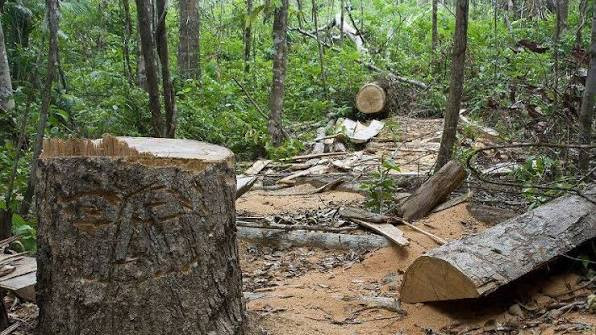
The Kenya Forest Service (KFS) has defended tree harvesting in seven forest stations in Kericho County, saying the trees being cut are mature plantation trees and that the exercise has been approved.
The agency issued the explanation on Monday, November 16, following the circulation of videos showing lorries carrying logs out of the forests and claims that large-scale logging was taking place without proper control.
The affected stations are Malagat, Tendeno, Londiani, Sorget, Kuresoi, Saburet and Makutano.
KFS said the harvesting was being carried out under approved Plantation Management Plans and Felling Plans for each station. It maintained that no illegal activities were taking place in the areas.
According to the agency, the trees being felled are mature and over-mature forest plantations.
The service also said replanting had started in areas where trees had been cleared. It is working with local Community Forest Associations (CFAs) to restore the sites.
Under its Tree-First Policy, KFS allows CFA members to grow approved food crops on cleared areas as part of efforts to support their livelihoods while ensuring that the sites are replanted.
The explanation followed complaints from residents and local leaders after images and videos of timber trucks leaving the forests circulated online.
Some social media posts alleged that sawmillers preferred sourcing timber from Kericho because forest officials were not strict about the harvesting. The claims also raised questions about the removal of indigenous trees.
Kericho MCA Paul Chirchir was among local leaders who opposed the exercise, saying it went against residents’ wishes. He also threatened to block lorries transporting the logs from leaving the area.
On the removal of an indigenous tree seen in the affected area, KFS said it was a fig tree growing within a plantation. The agency explained that it had been damaged during the felling of cypress trees and was later removed during the clearing of the site.
KFS added that indigenous trees sometimes grow within plantation forests during their roughly 30-year rotation. Such trees are assessed and, where necessary, removed and disposed of as fuelwood.
The concerns in Kericho come amid wider public debate over timber harvesting in Kenya’s forests, including the Aberdare, Kereita, Karura and Mount Kenya forests.
The sight of timber trucks and large piles of felled logs in some of these areas has drawn criticism from conservationists and nearby communities, who have raised concerns about possible damage to water sources and forest ecosystems.
KFS has previously defended harvesting in plantation forests, saying it involves mature exotic trees and is carried out under regulated plans.