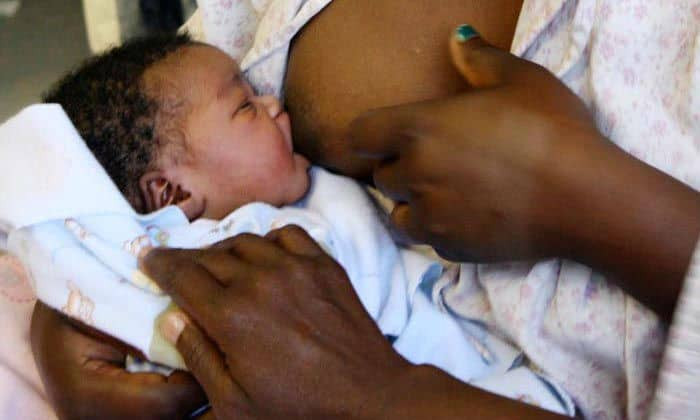
The National Assembly has approved the Breastfeeding Mothers Bill, 2024, which seeks to protect mothers who breastfeed their babies while at work or in public places.
The Bill was approved unanimously on Wednesday, October 14, paving the way for new requirements for employers to provide facilities where breastfeeding mothers can feed their babies or express breast milk during working hours.
If enacted into law, employers will be required to set aside private, clean and secure rooms for breastfeeding mothers.
The rooms must have lockable doors, washbasins, refrigerators for storing breast milk, chairs and tables. Toilets and bathrooms will not qualify as breastfeeding rooms under the proposed law.
Employers who fail to comply could face a fine of up to KSh1 million, imprisonment for up to one year, or both upon conviction.
The Bill is sponsored by nominated MP Sabina Chege, who has advocated for the implementation of measures to create more friendly working environments for breastfeeding women.
It also mandates the provision of reasonable breaks for breastfeeding women during working time for them to nurse their children or express their milk. The particular break periods shall be specified by the Cabinet Secretary for Labour through regulations.
According to the proposed law, the women shall also be permitted to seek alteration of working conditions to facilitate easy breastfeeding. This includes alteration of work hours, work duty, and location.
Whereby any employer rejects such alterations, he/she shall provide a written explanation of his/her refusal within 14 days.
The Bill also aims at protecting breastfeeding women in public places by providing that breast feeding cannot be deemed to be indecent.
It also provides sanctions for offenses against the proposed Act, which include a fine not exceeding KSh1 million or imprisonment not exceeding one year where there is no specific sanction for an offense. Whereby a person is convicted of a continuing offense, he/she shall be liable to an additional fine of KSh10,000 per day that the offense is continuing.
Despite the National Assembly’s approval, the Bill is not yet law. It will be presented to President William Ruto for assent before it can take effect.