By Blessings Moraa
The Ol Kalou by-election has evolved into more than a race to fill a parliamentary seat, emerging instead as a high-stakes political contest between President William Ruto and former Deputy President Rigathi Gachagua.
As residents headed to polling stations to elect their next Member of Parliament, Gachagua framed the vote as a referendum on President Ruto’s political standing in the Mt Kenya region, arguing that the outcome would send a powerful message ahead of the 2027 General Election.
“Kama wewe ni mwanaume, chukua kiti cha Ol Kalou nikuogope!” Gachagua declared, throwing down the gauntlet to the President and challenging him to deliver victory in the closely watched race.
The by-election has attracted national attention, with political observers describing it as one of the most significant electoral contests since Gachagua’s fallout with the Kenya Kwanza administration and subsequent efforts to consolidate support in Mt Kenya.
Both the ruling coalition and opposition forces have invested heavily in the campaign, viewing the race as an early indicator of political loyalties in the vote-rich region and a possible preview of the alliances that could shape the 2027 presidential contest.
In the days leading up to the poll, Gachagua raised concerns about the integrity of the electoral process, urging the Independent Electoral and Boundaries Commission (IEBC) to ensure a free, fair and credible election. He also called on security agencies to remain impartial throughout the exercise.
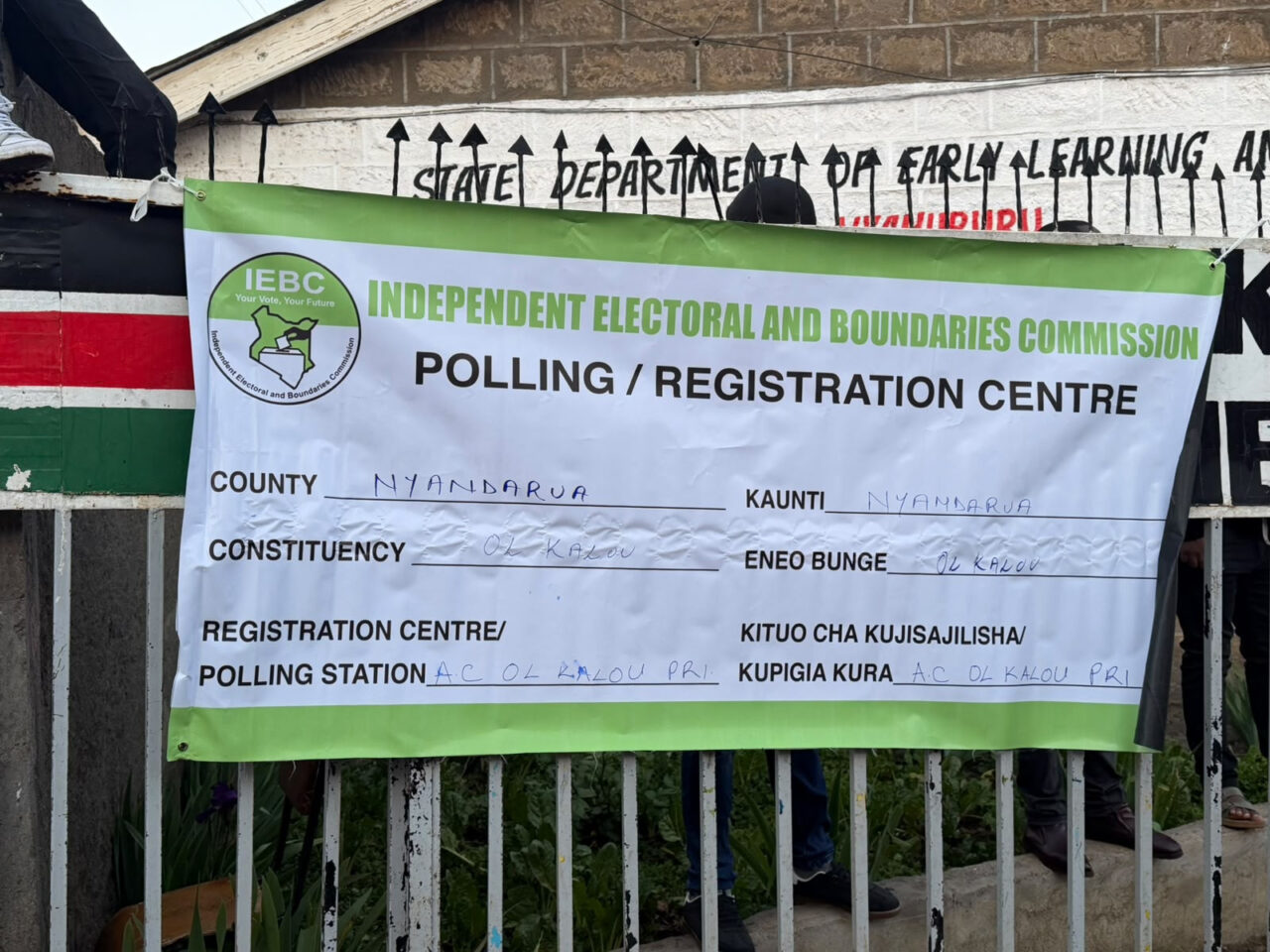
Despite the heightened political rhetoric surrounding the contest, voting proceeded under the supervision of election officials and security personnel, with residents turning out to choose their representative.
Political analysts say the outcome of the Ol Kalou by-election could significantly influence the country’s political conversation ahead of the 2027 General Election, as both President Ruto’s allies and Gachagua’s camp seek to demonstrate their influence in the Mt Kenya region.
While only one parliamentary seat is up for grabs, the contest has assumed a much larger significance, emerging as a symbolic battle for political supremacy whose outcome could shape future alliances, strategies and leadership claims within the region.