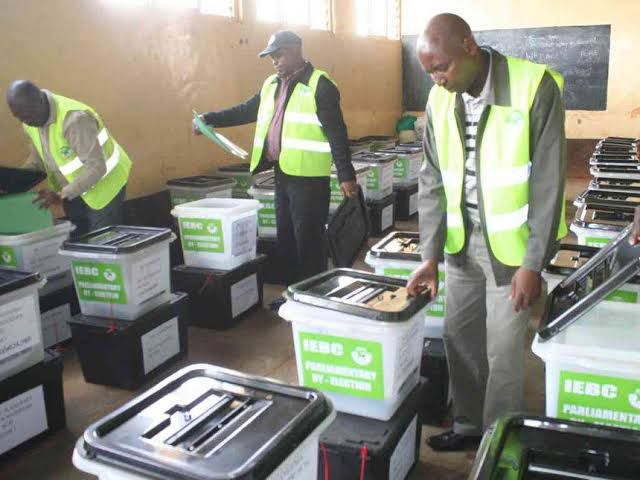
As the country gears up for the upcoming November 27 by-elections, political parties have been handed a fresh to-do list from the Office of the Registrar of Political Parties (ORPP) and they don’t have much time to get things in order.
In a detailed notice, the Registrar has outlined seven key requirements that every party must meet if they want to field candidates in the mini-polls.
These by-elections, though not as high-profile as a general election, are still critical with 24 seats up for grabs across the country, including in the Senate, National Assembly, and various county assemblies.
The first deadline already passed on September 17 parties were expected to submit the names and signatures of officials authorized to issue nomination certificates. It’s a small but crucial step, aimed at preventing chaos or disputes during candidate clearance.
Next, political parties must show they’re serious about running clean, organized internal affairs. That means setting up internal election boards to manage their primaries — and dispute resolution teams to handle any fallouts that may arise during nominations.
Another major requirement: updating and confirming their party membership lists with the ORPP. This is especially important in hotly contested areas, where questions over who’s a “real member” can derail a nomination process.
The Registrar also wants full transparency around how nominations will be conducted. Parties must provide detailed schedules listing venues, dates, nomination methods, and names of aspirants.
And it’s not just about submitting that information to the Registrar parties are now required to publish nomination details on their websites, and make sure they’re visible on the ORPP platform at least seven days before nominations kick off.
Timing, as always, is everything. The ORPP is reminding political outfits to stick to the timelines and procedures issued by both the Registrar and the Independent Electoral and Boundaries Commission (IEBC). Missing a step could mean getting locked out of the race.
Lastly, all participating parties must follow the law including the Elections Code of Conduct and any regulations or gazette notices issued during the election period.
Where the By-Elections Are Happening
The IEBC has scheduled 24 by-elections to fill vacant seats at various levels of government a mix of ward-level, constituency, and one Senate seat.
Here’s a breakdown of where voters will be heading back to the ballot:
Senatorial Seat:
Baringo County – Senate seat left vacant
Parliamentary Seats (National Assembly):
Banissa
Kasipul
Magarini
Malava
Mbeere North
Ugunja
Ward Seats (Members of County Assembly):
Angata Nanyokie – Samburu County
Chemundu – Nandi County
Chewani – Tana River County
Fafi – Garissa County
Kariobangi North – Nairobi City
Kisa East – Kakamega County
Metkei – Elgeyo Marakwet County
Mumbuni North – Machakos County
Purko – Kajiado County
Tembelio – Uasin Gishu County
These mini-elections may not dominate national headlines, but they matter deeply in the communities involved. For many voters, they’re a second chance to get the right leaders in place or to hold parties accountable for past promises.
With the Registrar and IEBC watching closely, and party supporters fired up, November 27 is shaping up to be a crucial day for grassroots democracy.